Crisis
Crisis consists precisely in the fact that the old is dying and the new cannot be born.
― Antonio Gramsci, 1930
All we have to do is to wake up and change.
― Greta Thunberg, 2018
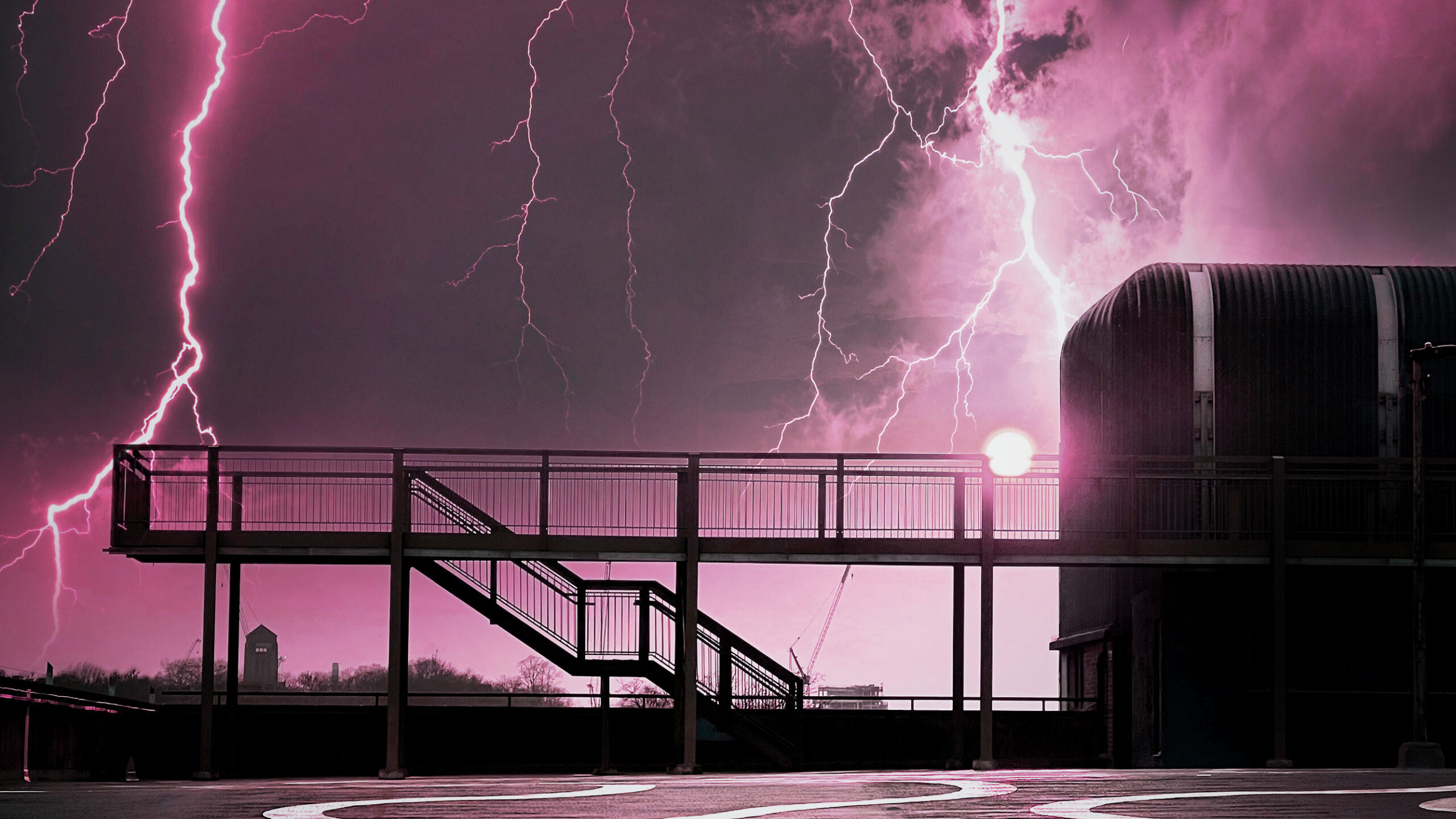
Everywhere, we are told, we are in crisis. Fires burn around the world whilst virtues of democracy, social justice and freedom are plagued by paranoia, despair and ignorance. The language of emergency is sermonised by politicians and economists, our escalating woes broadcast by inciteful and insomniac media, doom scrolling through an infinite ledger of tragedy. Crises face every aspect of modern life — heard in the clamorous furore of an embattled picket line, in the false promises of a bloviating despot or the thunder of a collapsing ice cap. Felt in the receipt of unjust and brutal policing, in the precarity of a hollow paycheck or the shiver of an unheated home.
And yet, the concept ‘crisis’ obscures as much as it clarifies. We know the burden of crisis is unequally shared, its warning siren controversially invoked. For all the enveloping crises of care, the cost of living, ecological collapse and resurgent authoritarian politics, crisis and protest are not without their discord. Divisive issues of free speech, trans-rights and gender roles continue to dominate public discourse, threatening what is really at stake in our everyday lives. Regional and class conflict, gender and racial disparity, climate breakdown and economic uncertainty proliferate in the face of false government address — systems cannot fail those they were never built to protect.
Hours of crisis have the power to ignite revolutions, help redefine our relationships and social bonds. They can disrupt and desiccate our cultural and political landscape for the worse, catalysing the throes of reactionary conflict. An analysis of crisis is crucial to understanding the emergencies we live in today, and yet it is also the natural expression of a will to self-preservation — a means by which the established order tightens its ever-clinching grasp. As American civil rights activist Maya Angelou notes, it “is a burden that confuses the past, threatens the future, and renders the present inaccessible.”
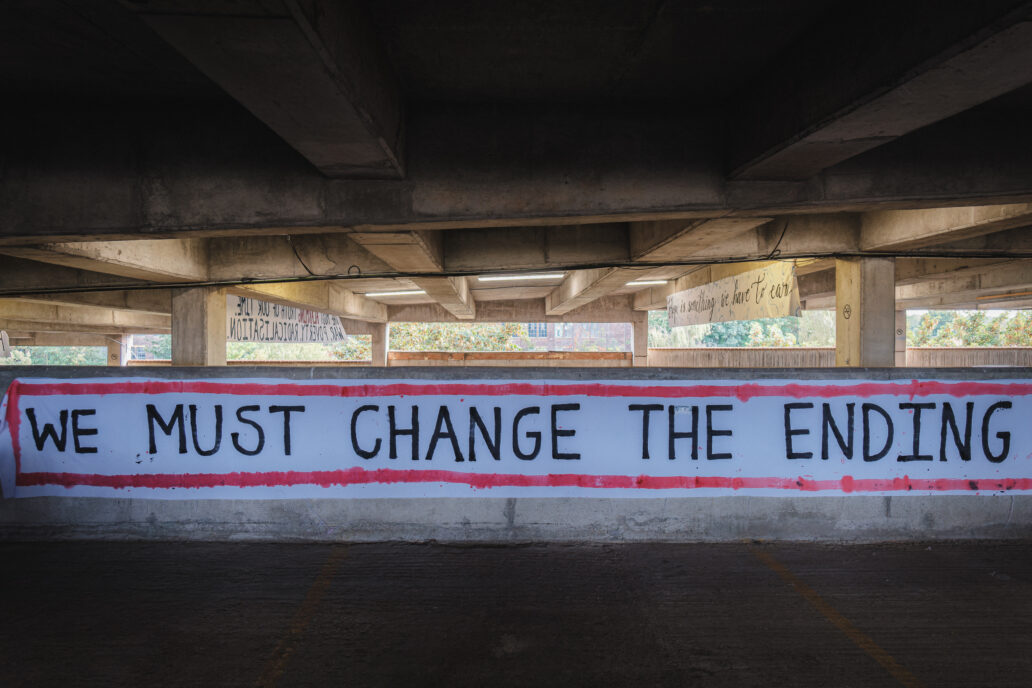
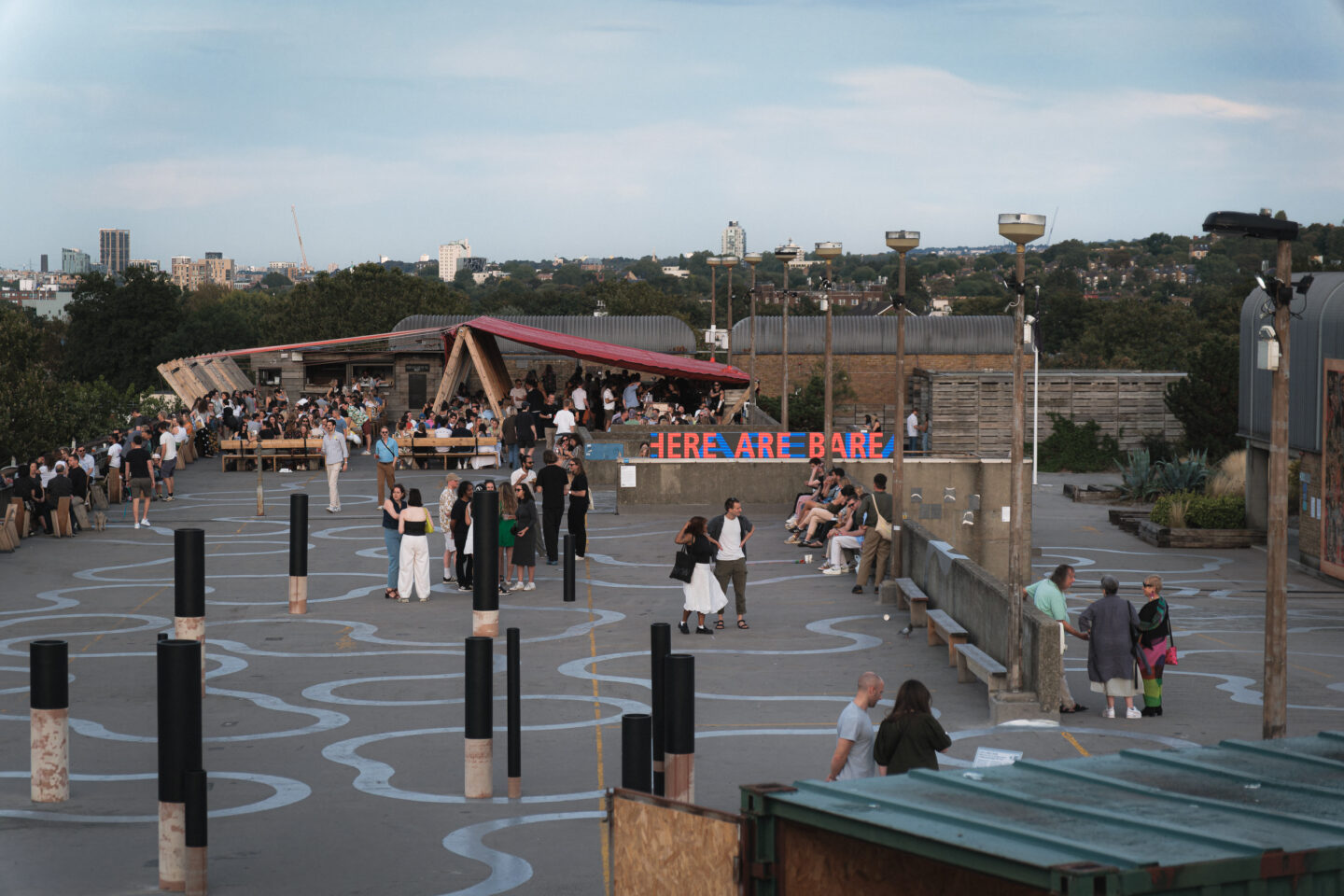
We must divest from the despondency of crisis; dispose of the survival instincts of authority and advocate difference and new radical ideas. Bold Tendencies will gather its 2023 programme under this broad and urgent theme, asking what crisis looks and feels like in the 21st century. It will explore how modern conceptions of crisis structure the ways we experience, narrate and respond to moments of historical rupture and upheaval; the different forms of crisis we are embedded within, and how these events limit and facilitate the emergence of new forms of artistic, social and political relations. Such is the opportunity of our time: to transform disruptive emergency into structural change.
Bold Tendencies
19 May – 16 September 2023
Floors 7–10
Peckham Multi-Storey Car Park
London, SE15 4ST
Opening hours
Wednesday–Sunday: 11am–11pm
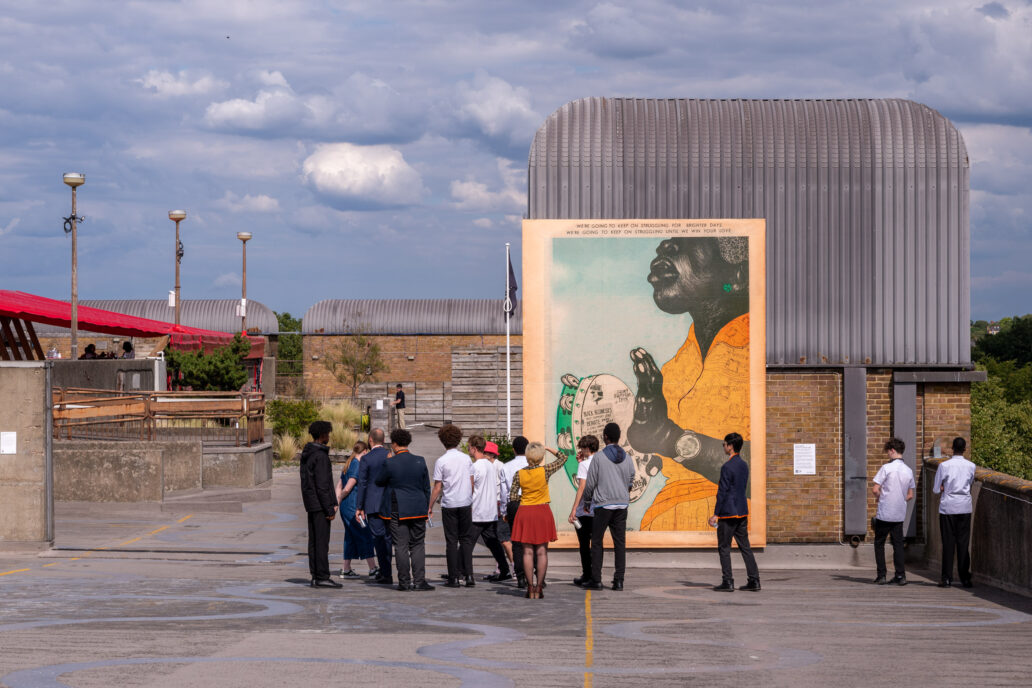
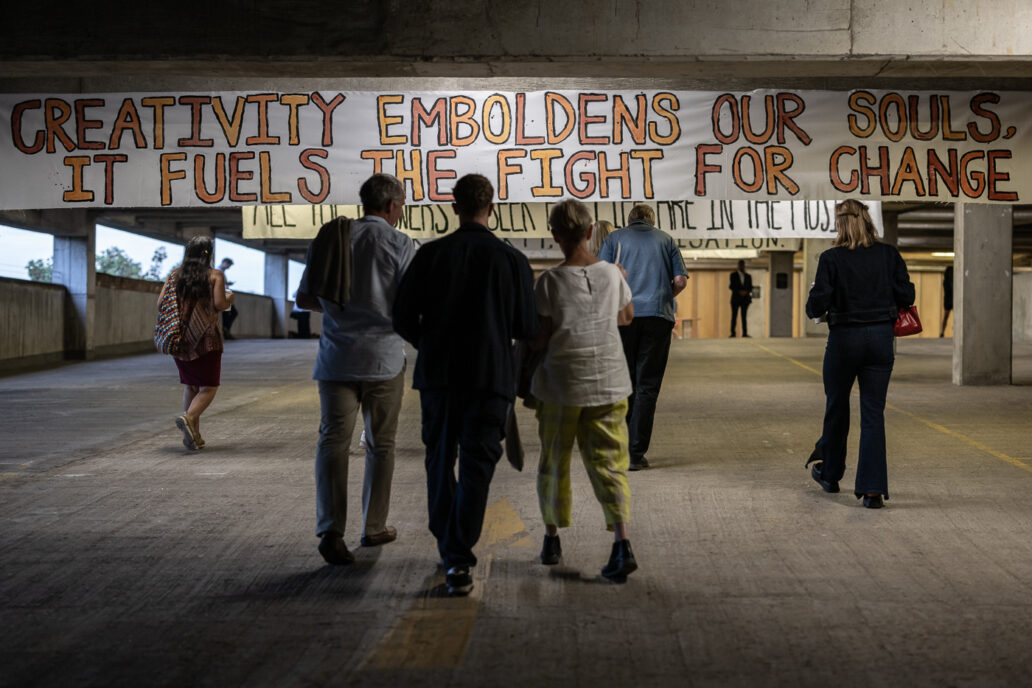
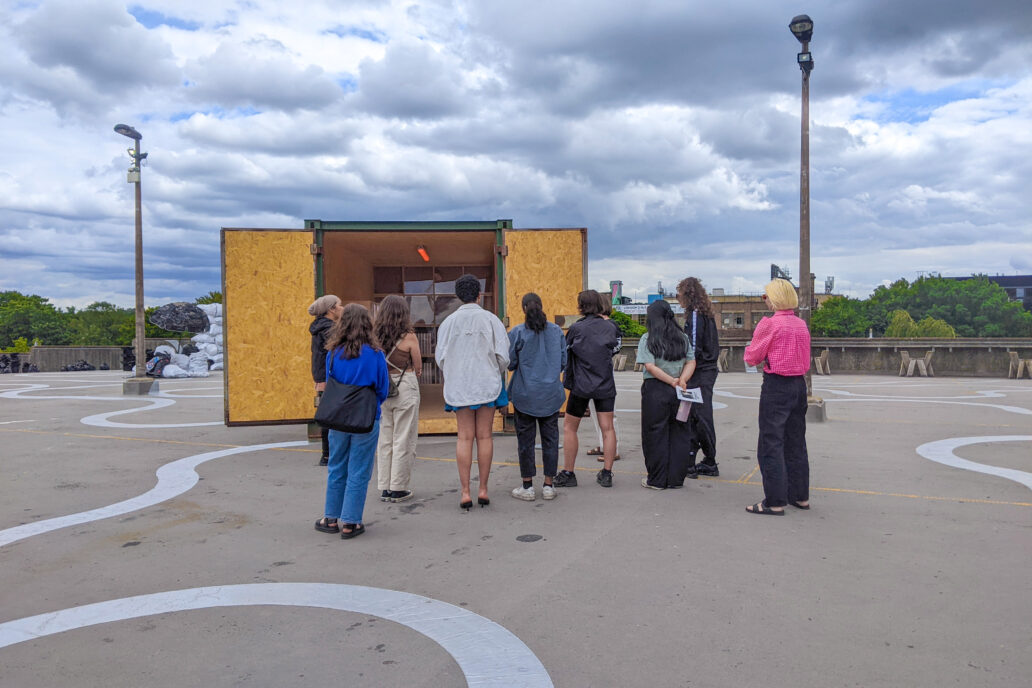
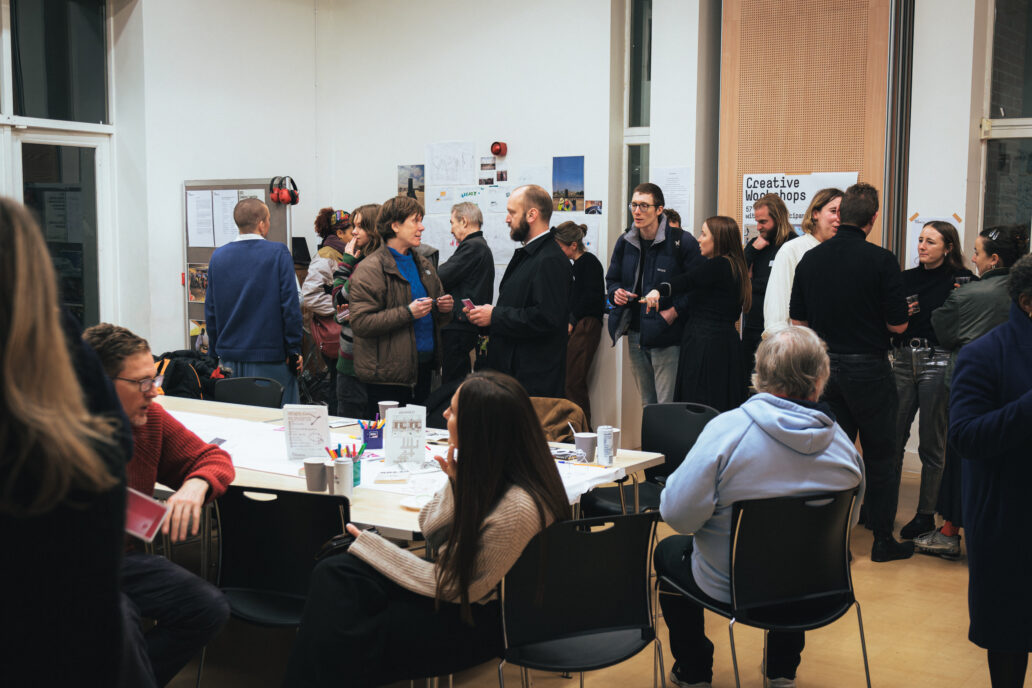
Visual Arts
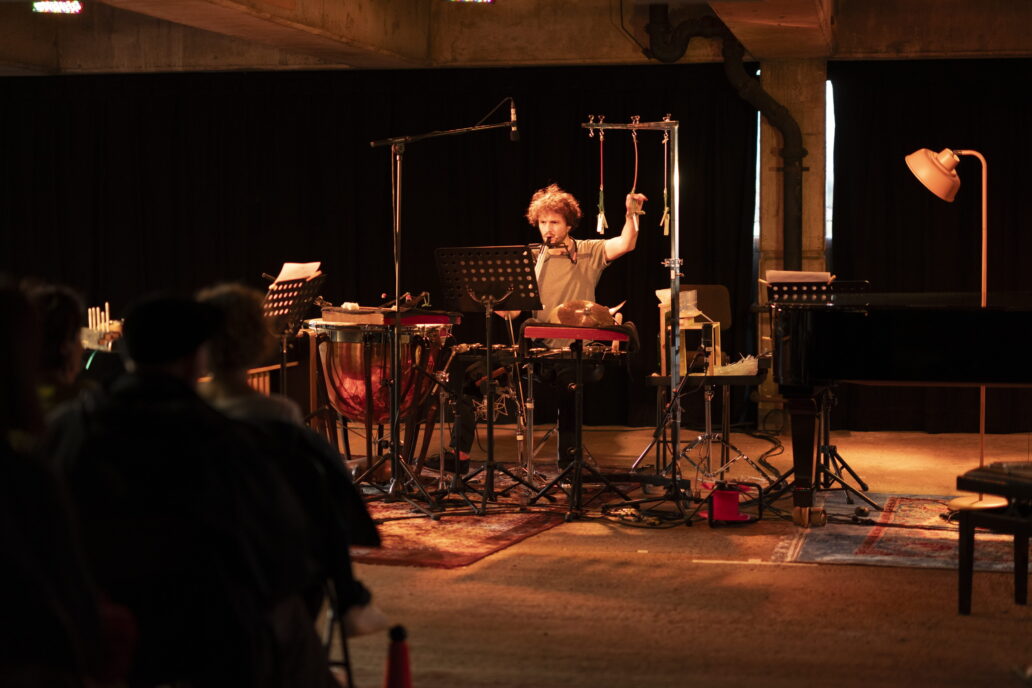
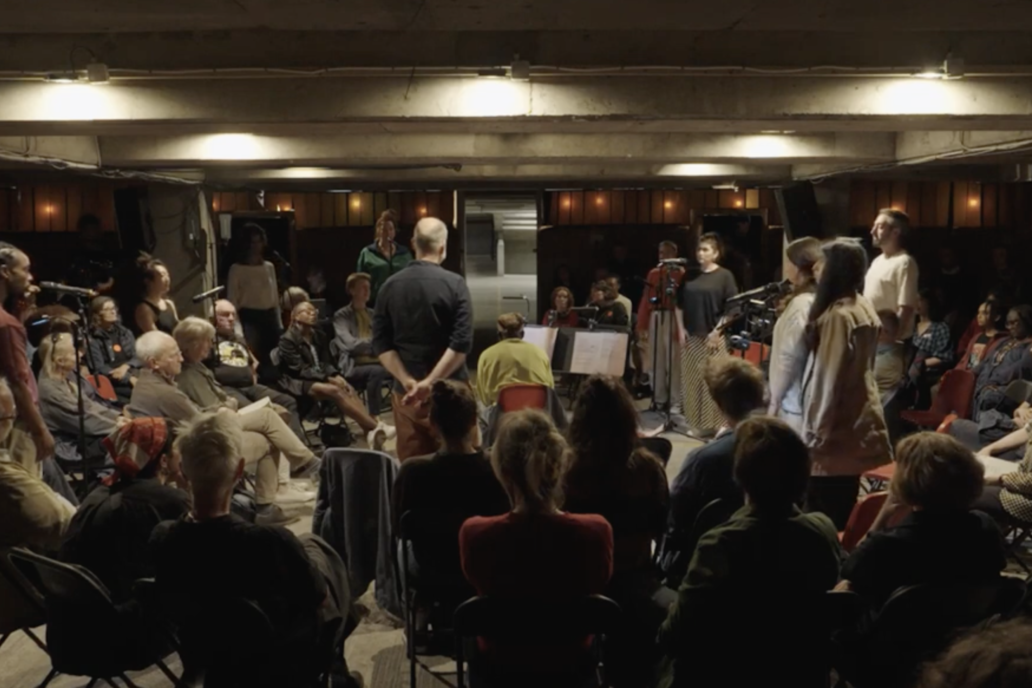
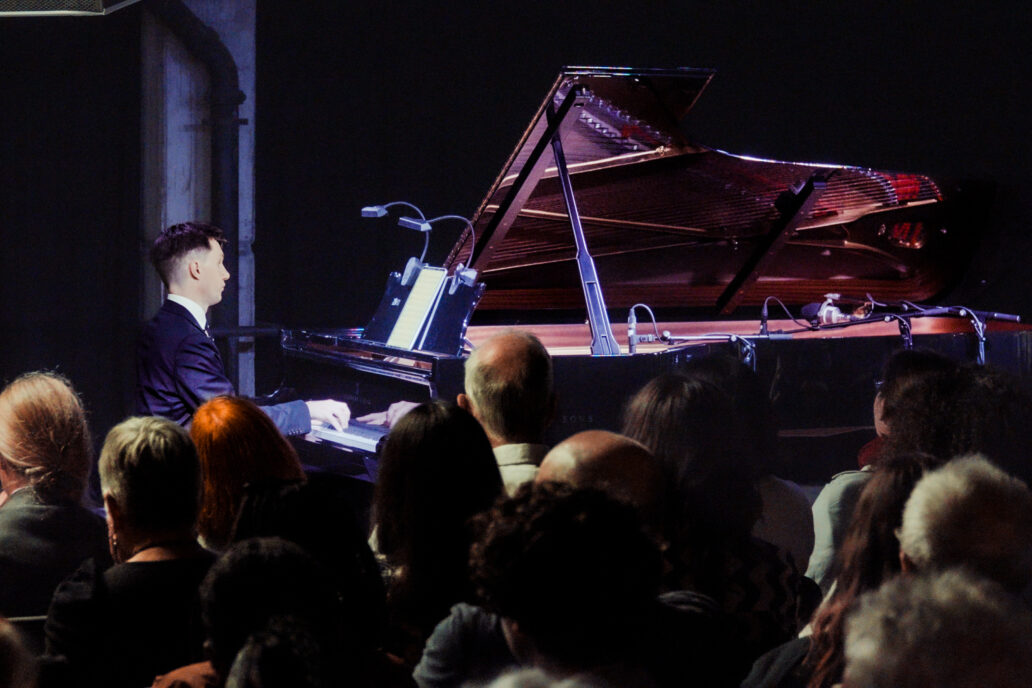
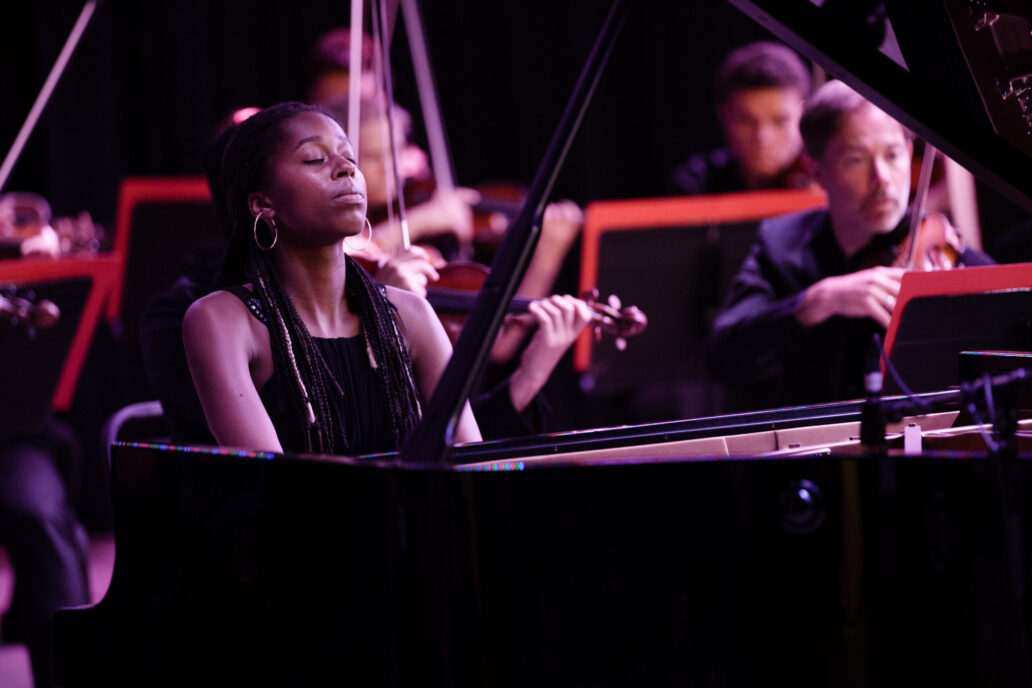
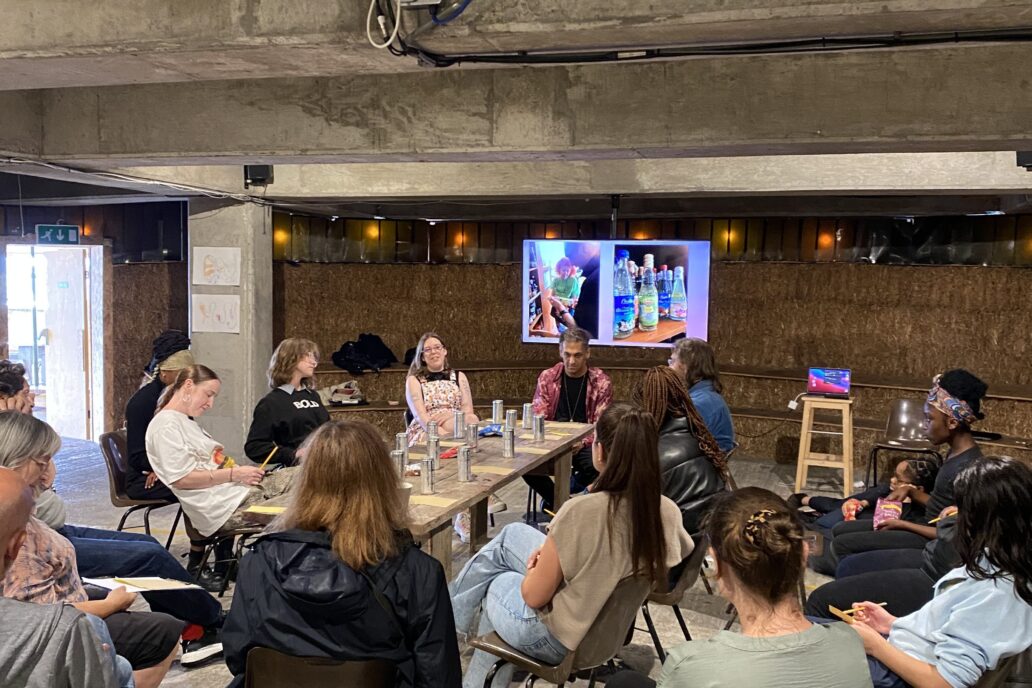
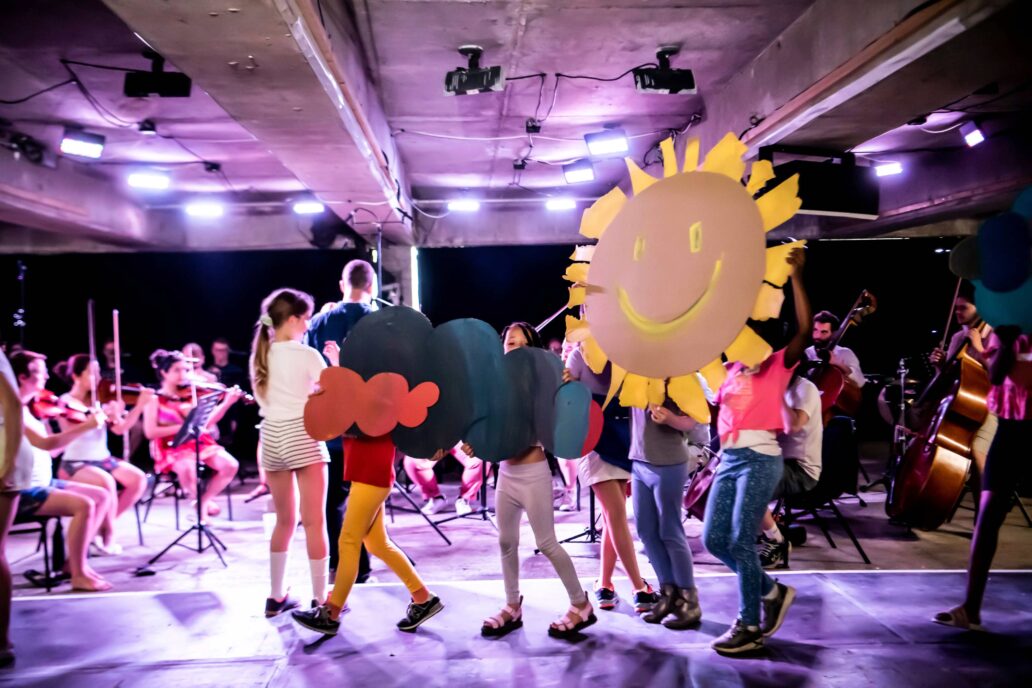
Live Events
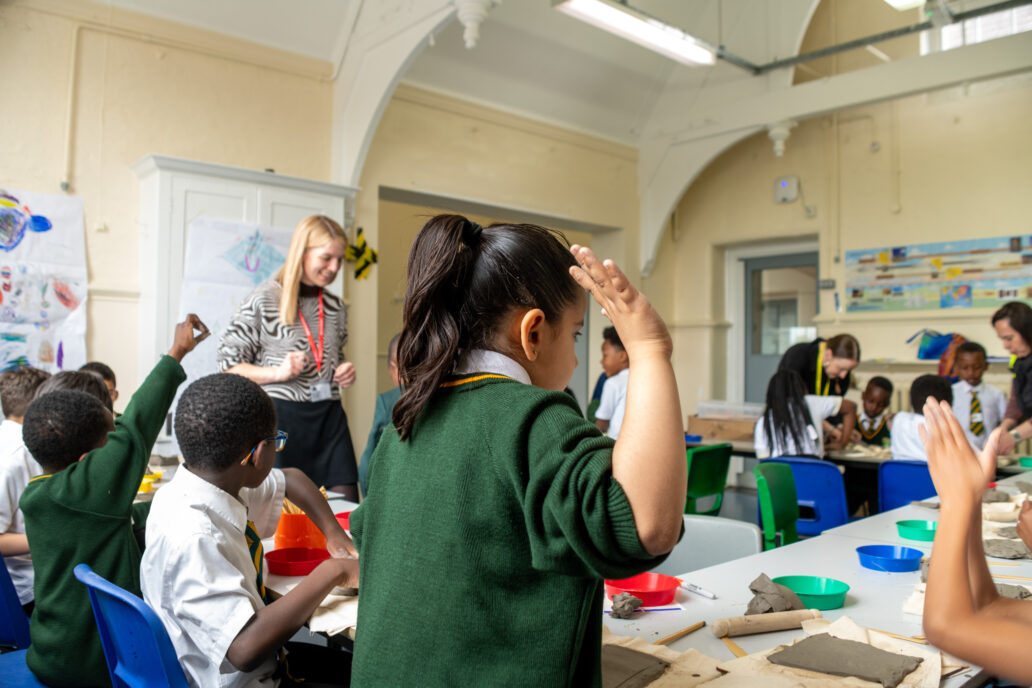
Creative Learning
Supporters
Southwark Council
Art Fund
Selfridges
Bloomberg
Philanthropies
Phillips
The Mila Charitable Trust
Genesis Kickstart Fund
Outset Partners
Big Issue Access Invest
In Partnership with
Steinway & Sons
Southby Productions
Vanguardia
CMS-CMNO
Hallett Independent Art Insurance
Think Smart Accounts
Frank’s Cafe
Lost and Grounded
& all those individuals who have generously donated.
Highlights..
Photography by Dan John Lloyd
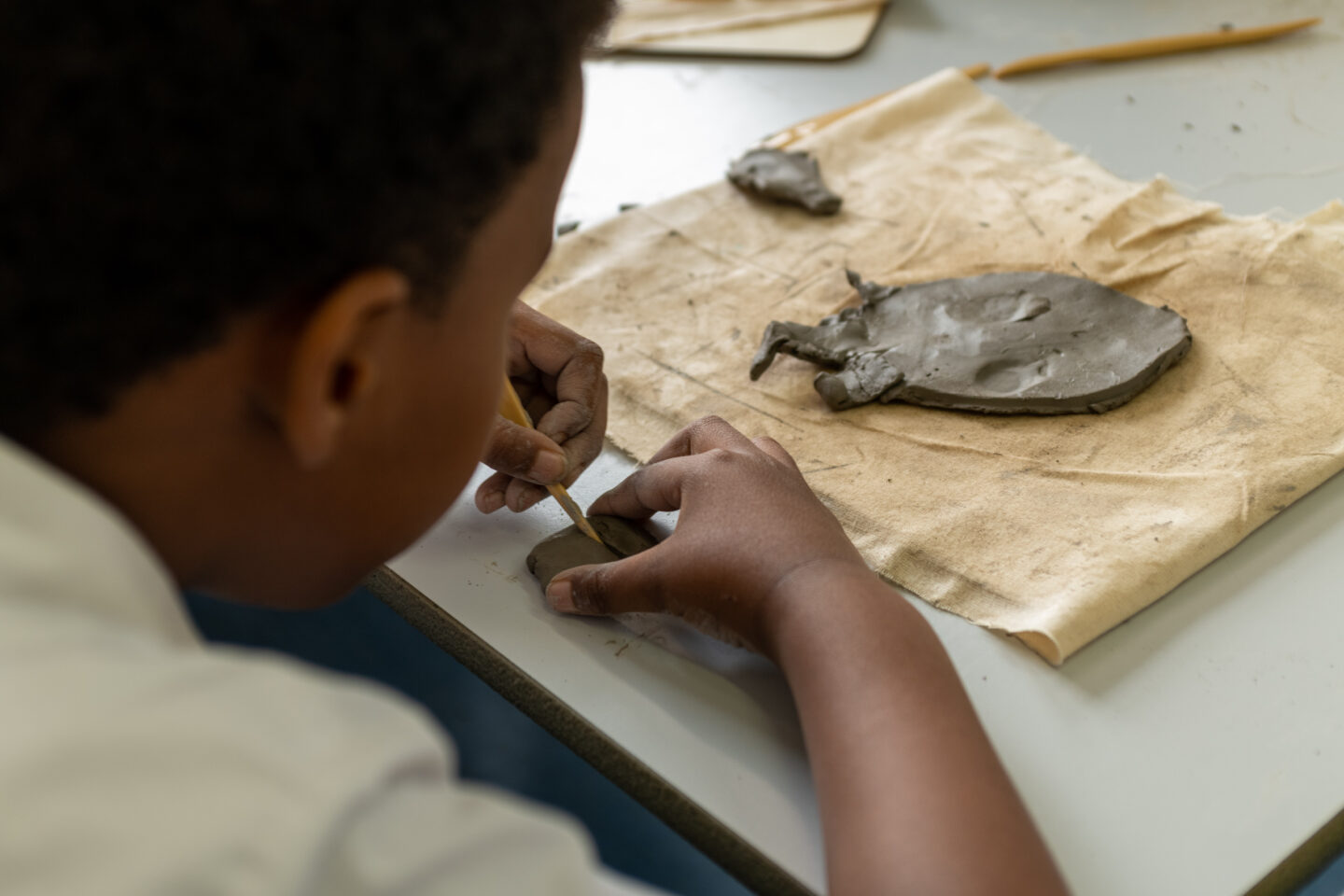
Photography by Deniz Güzel
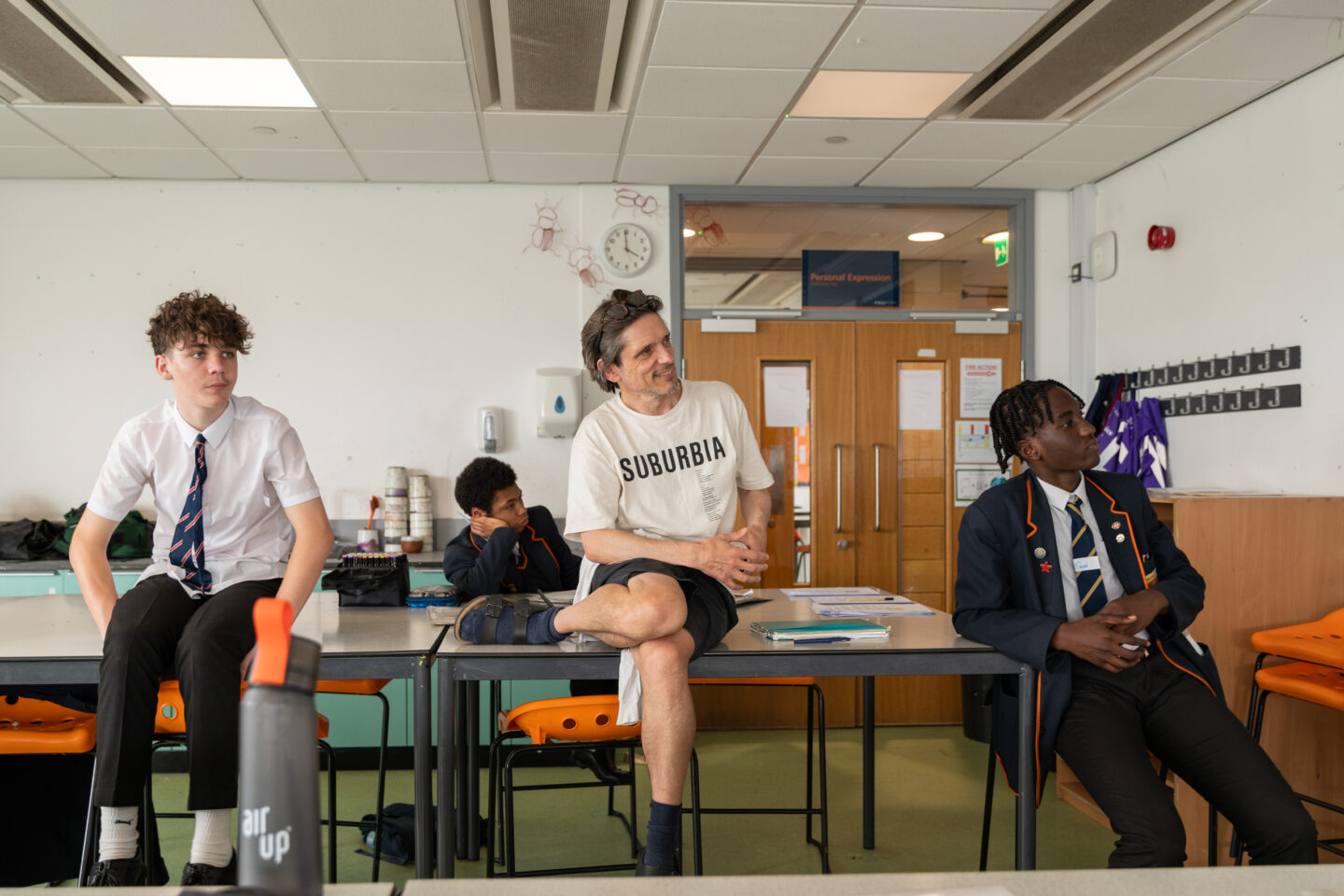
Photography by Deniz Güzel
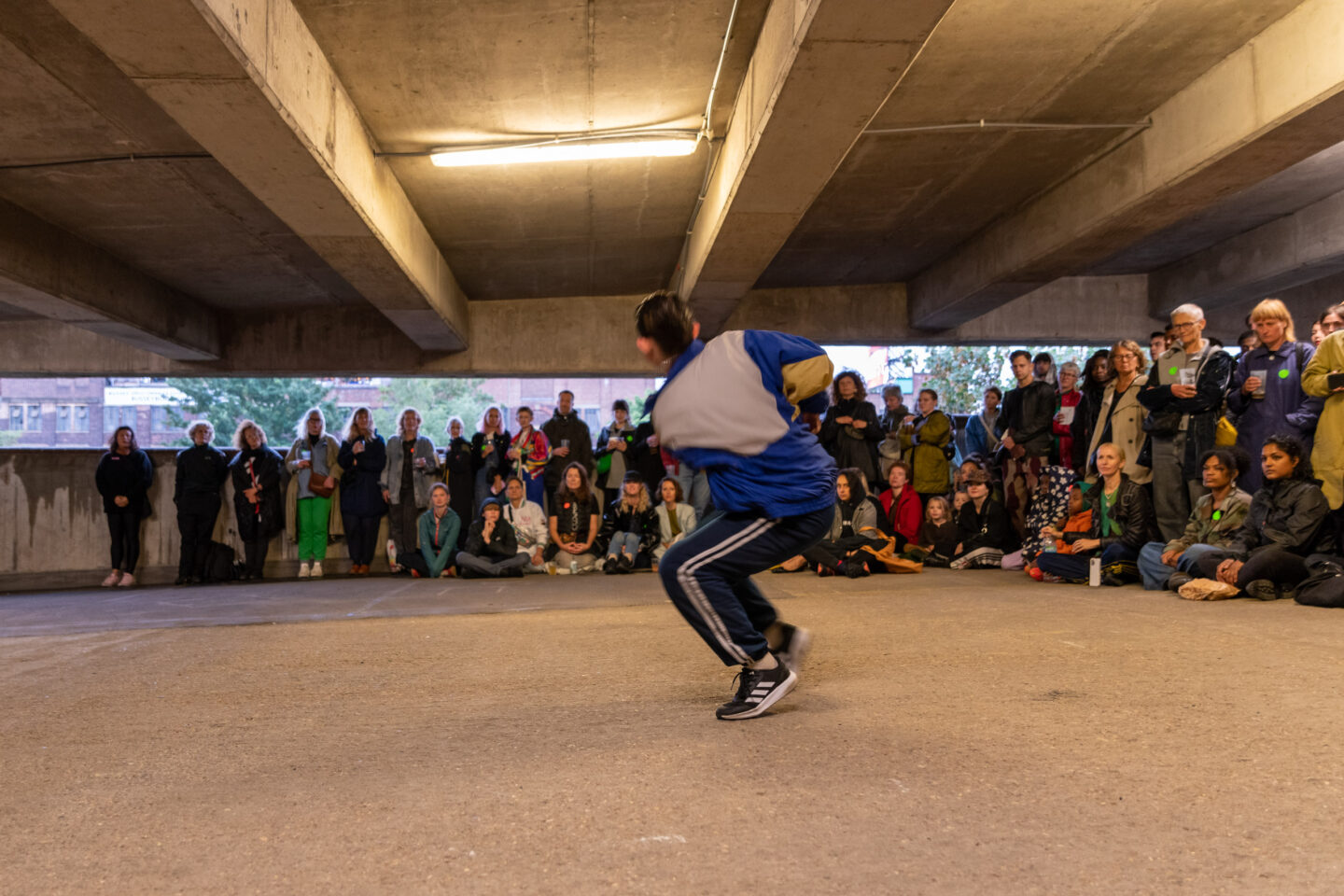
Photography by Deniz Güzel
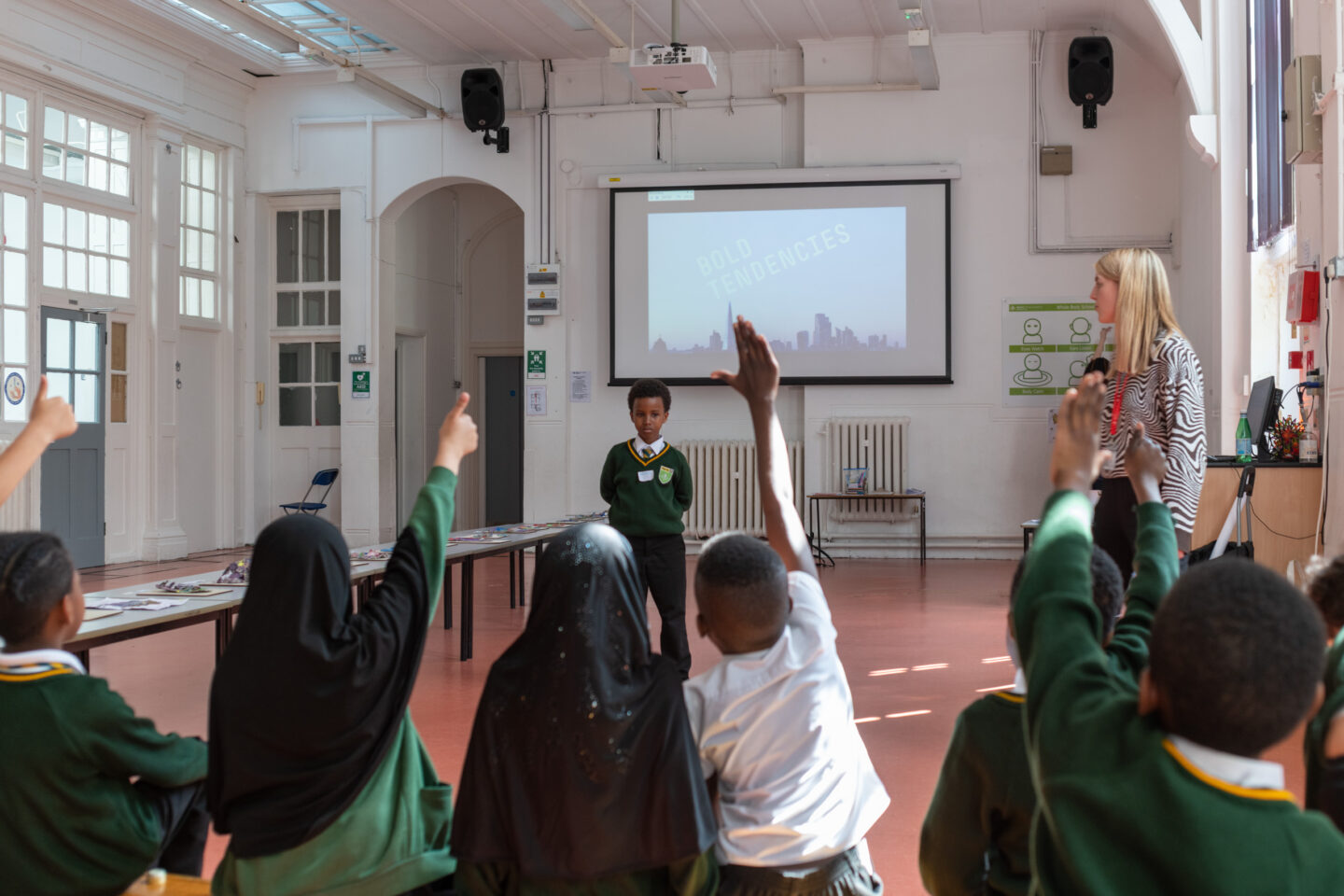
Photography by Deniz Güzel
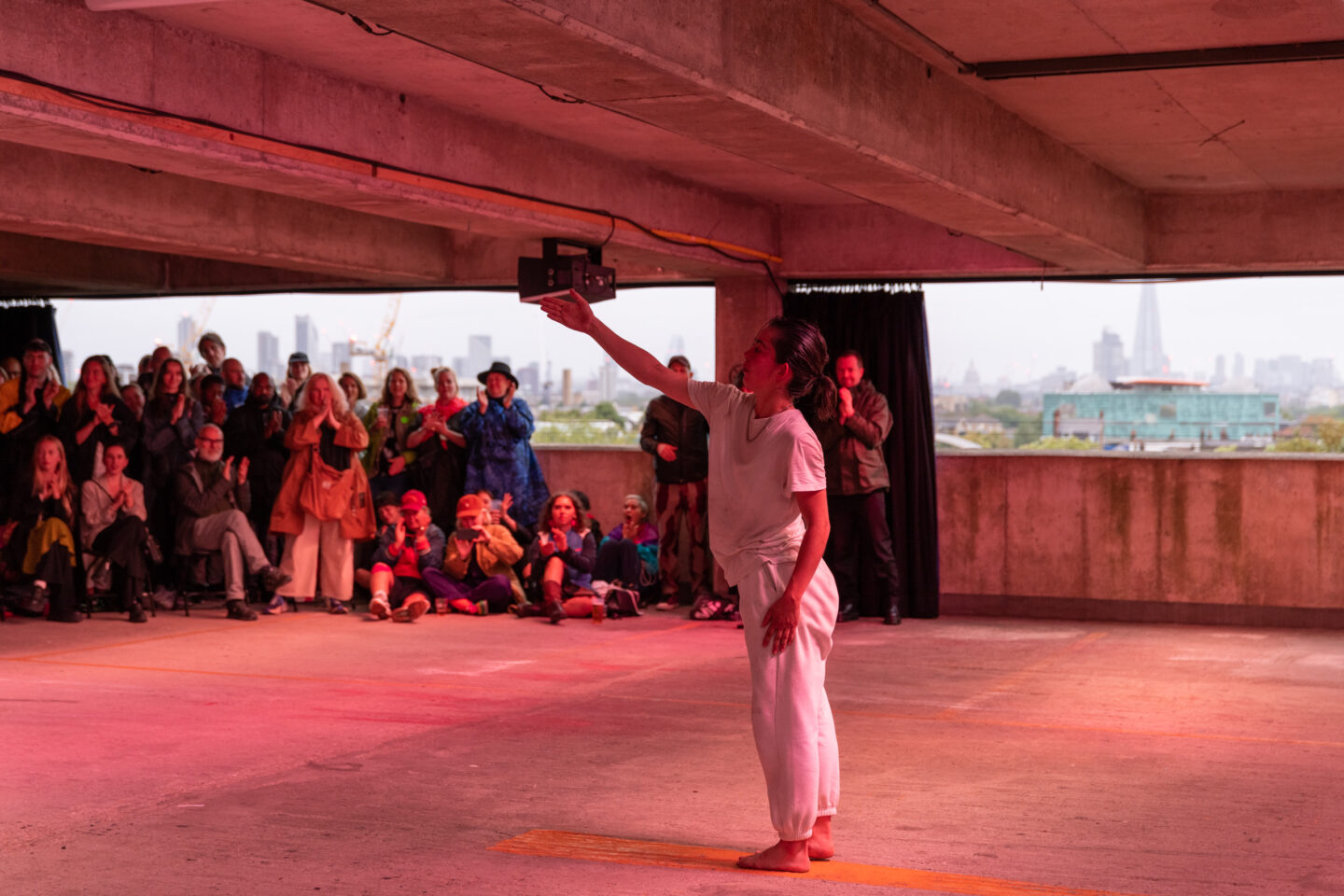
Photography by Deniz Güzel
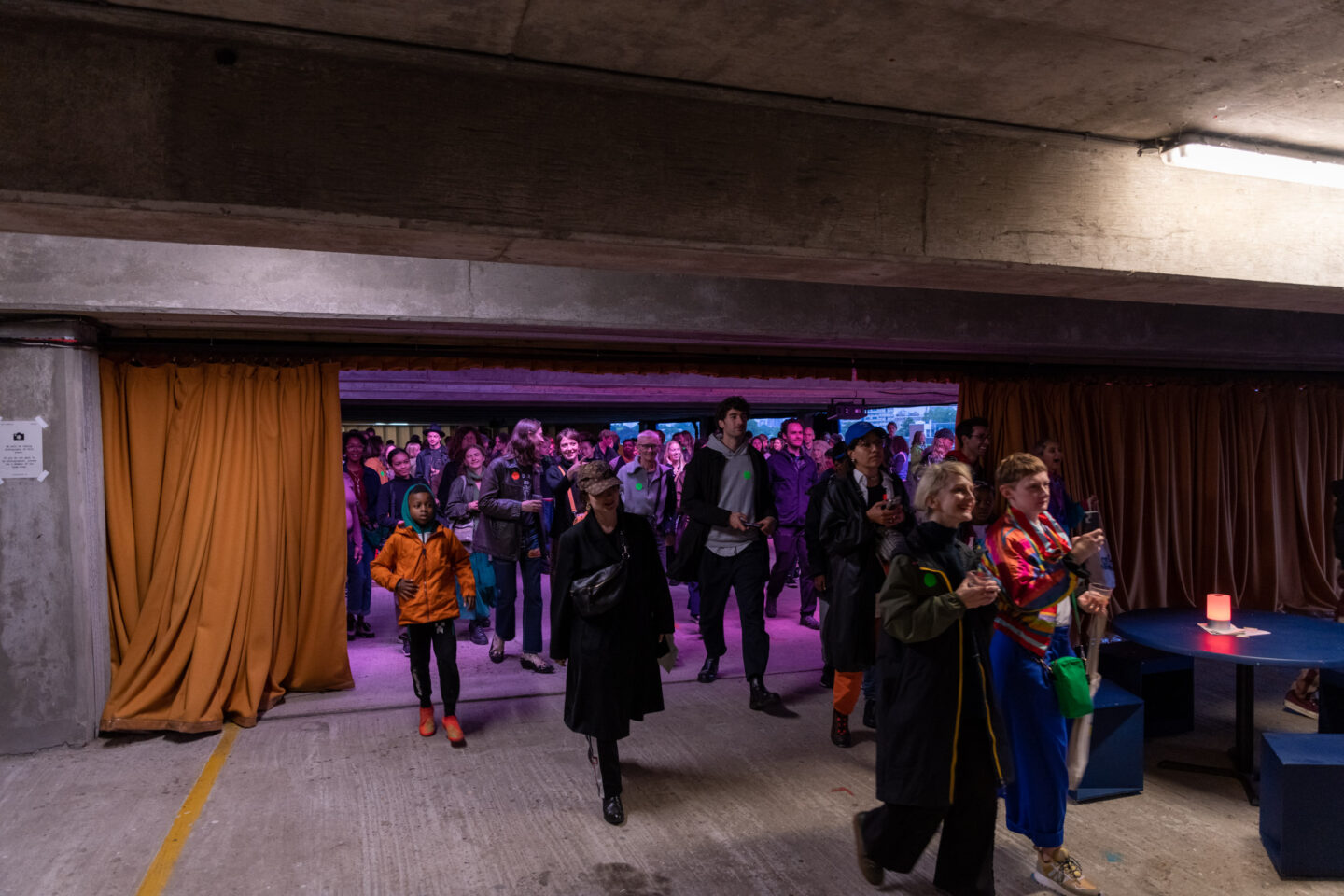
Photography by Deniz Güzel
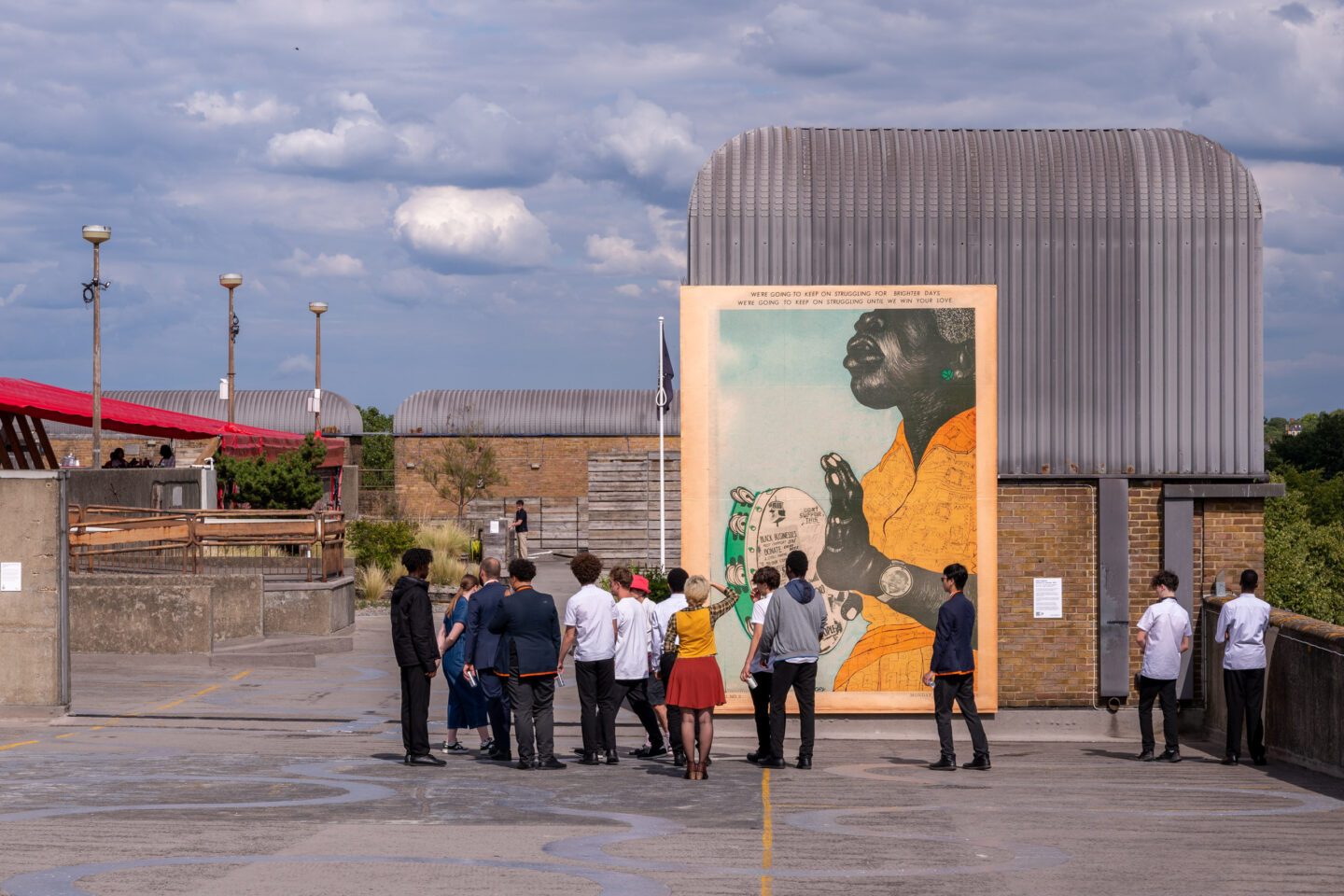
Photography by Deniz Güzel
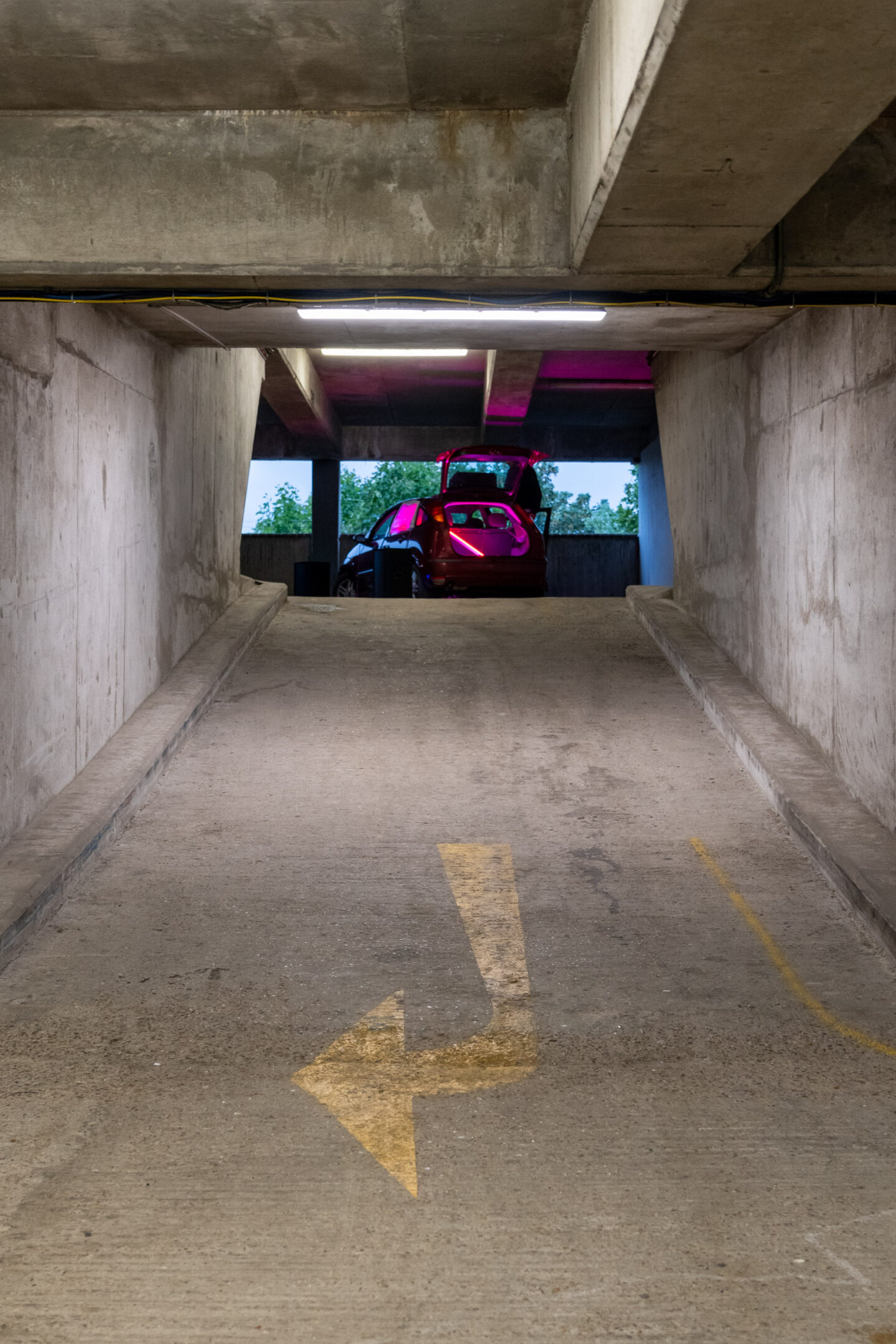
Photography by Deniz Güzel
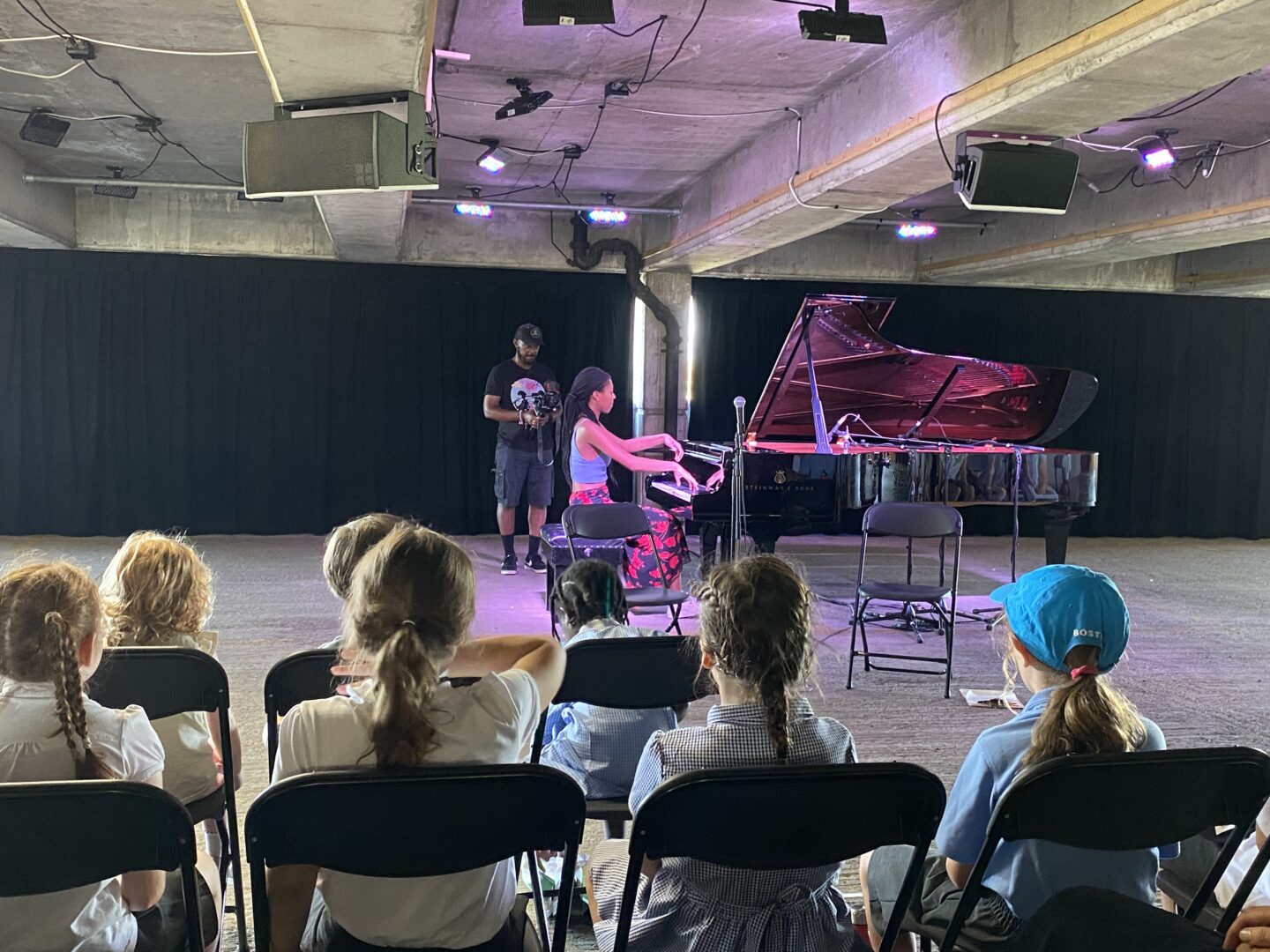
Photography by Bold Tendencies
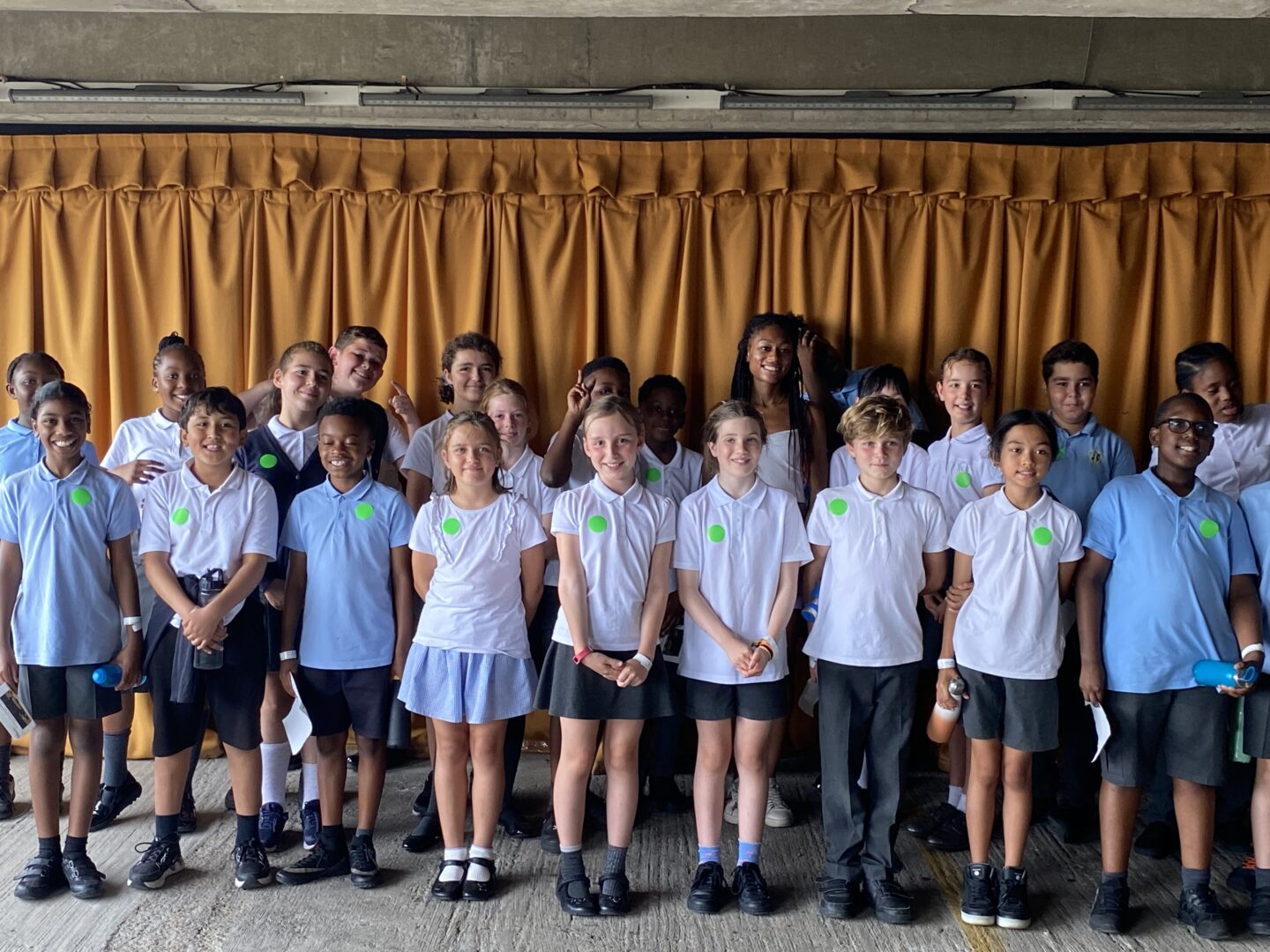
Photography by Bold Tendencies
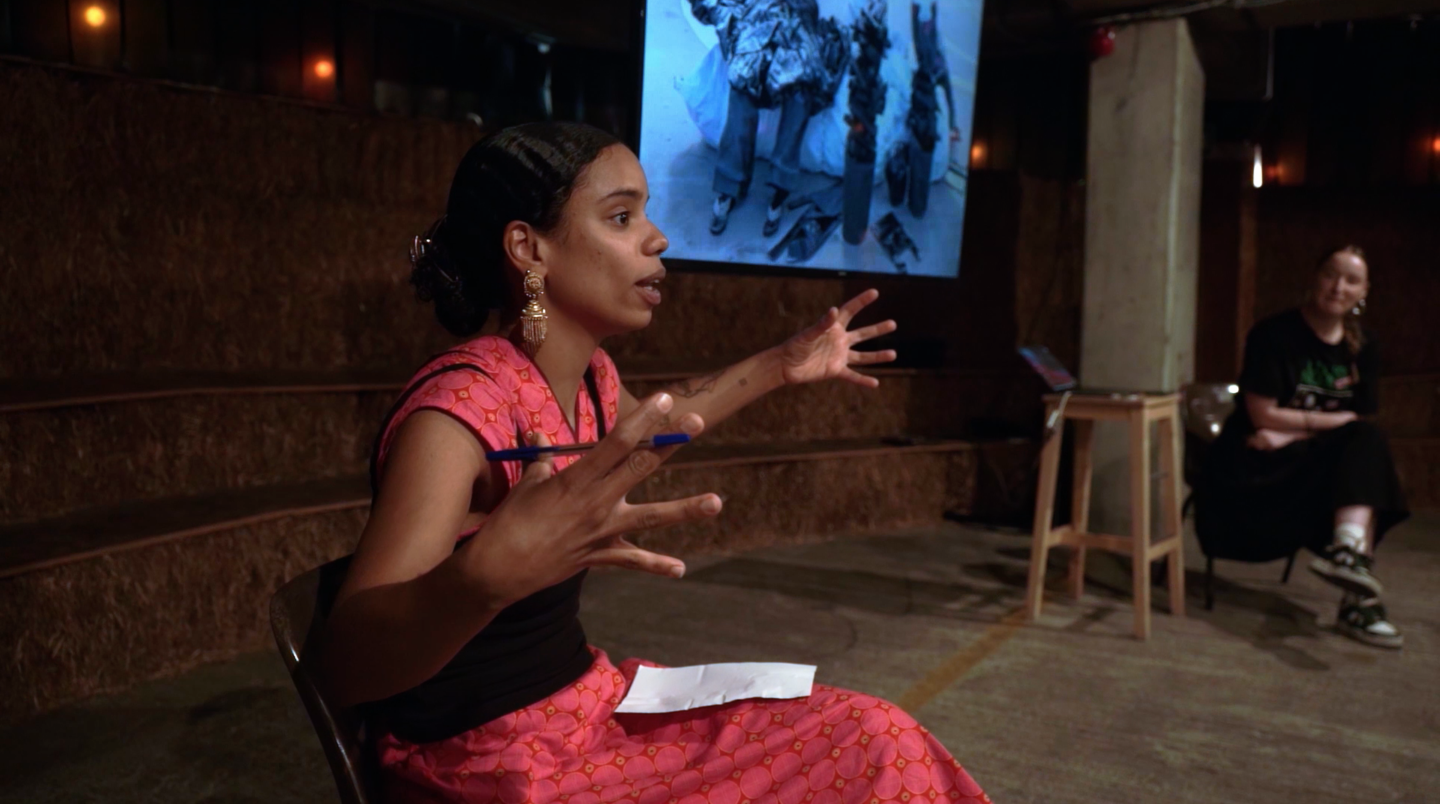
Photography by Just Jed
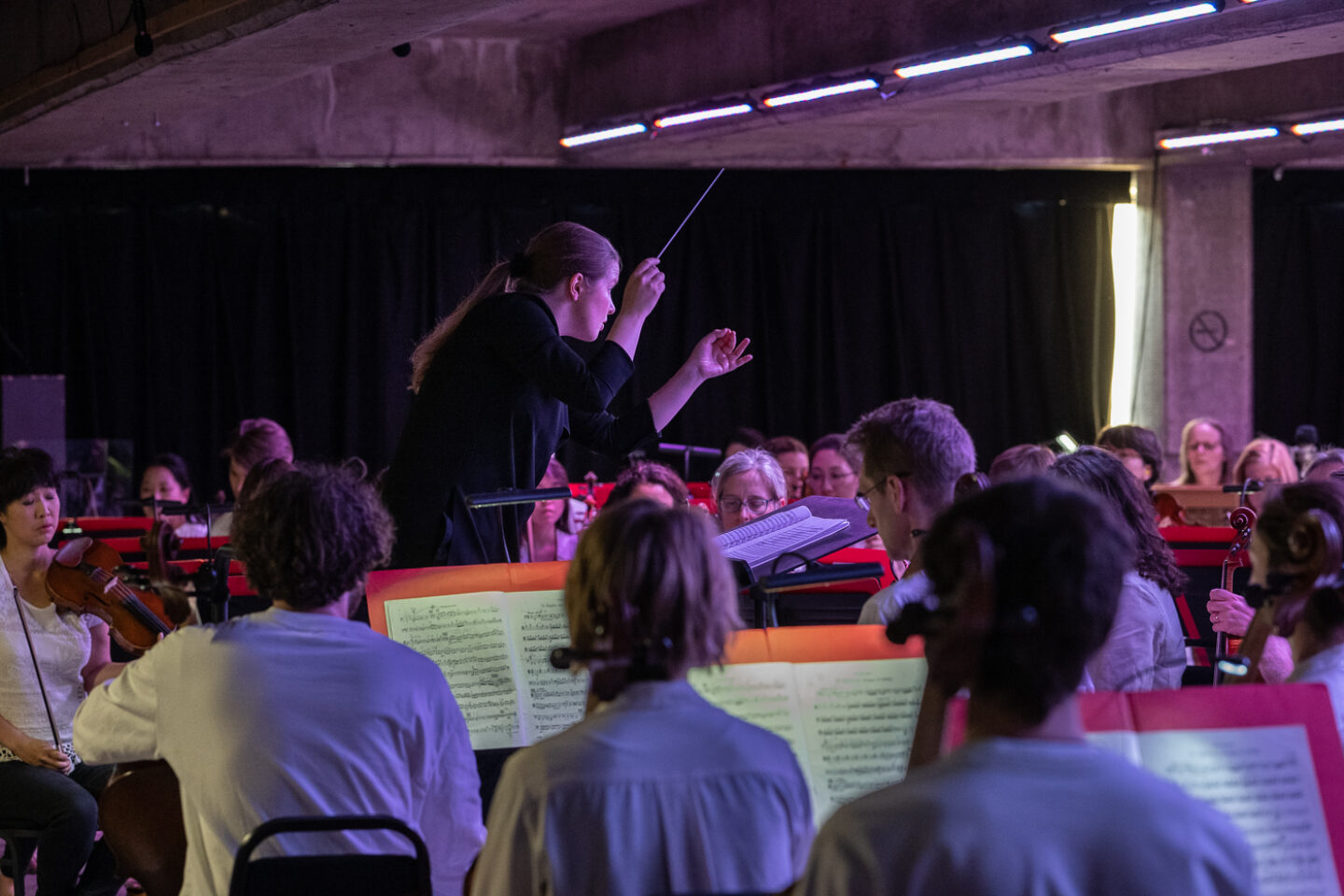
Photography by Damian Griffiths
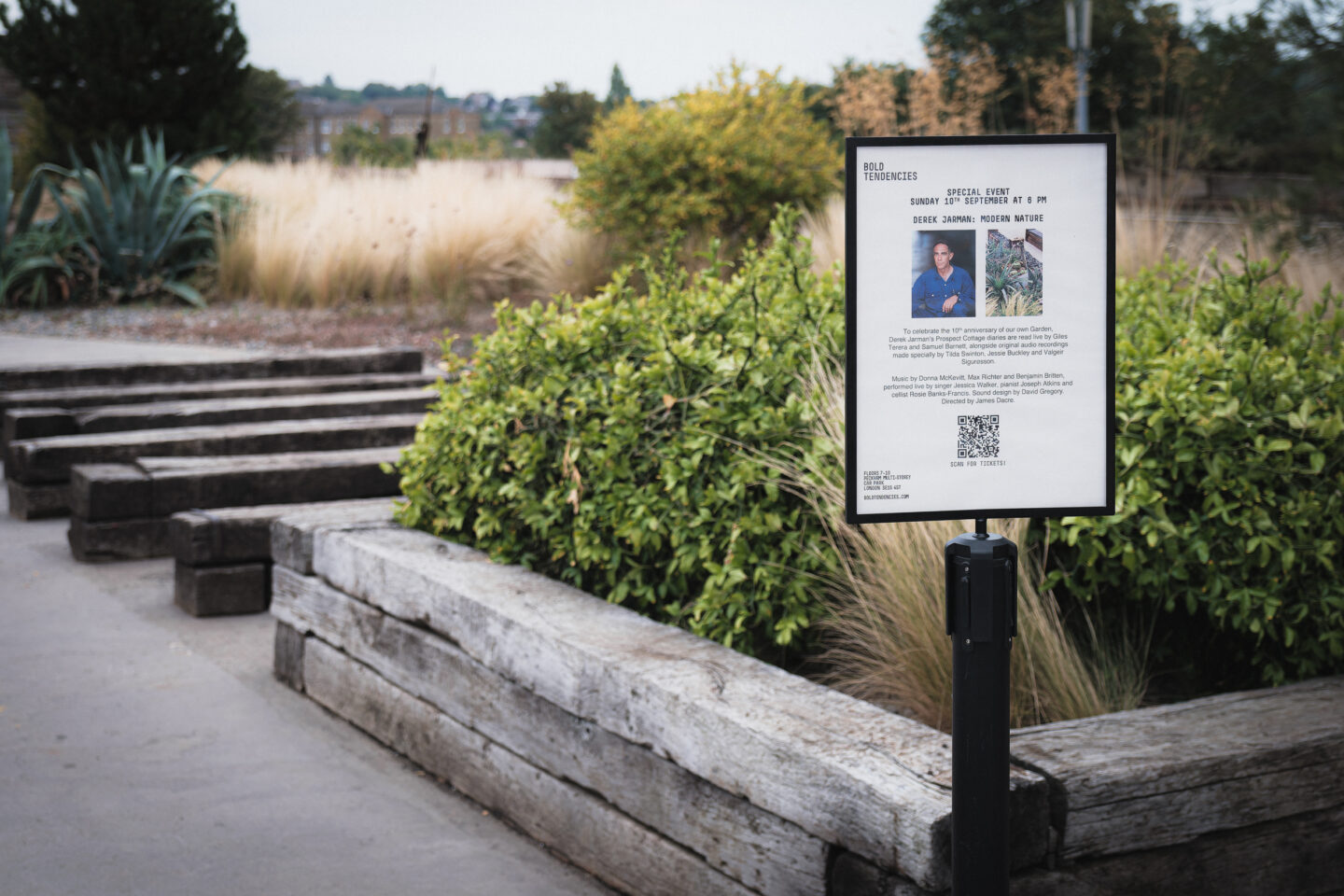
Photography by Dan John Lloyd
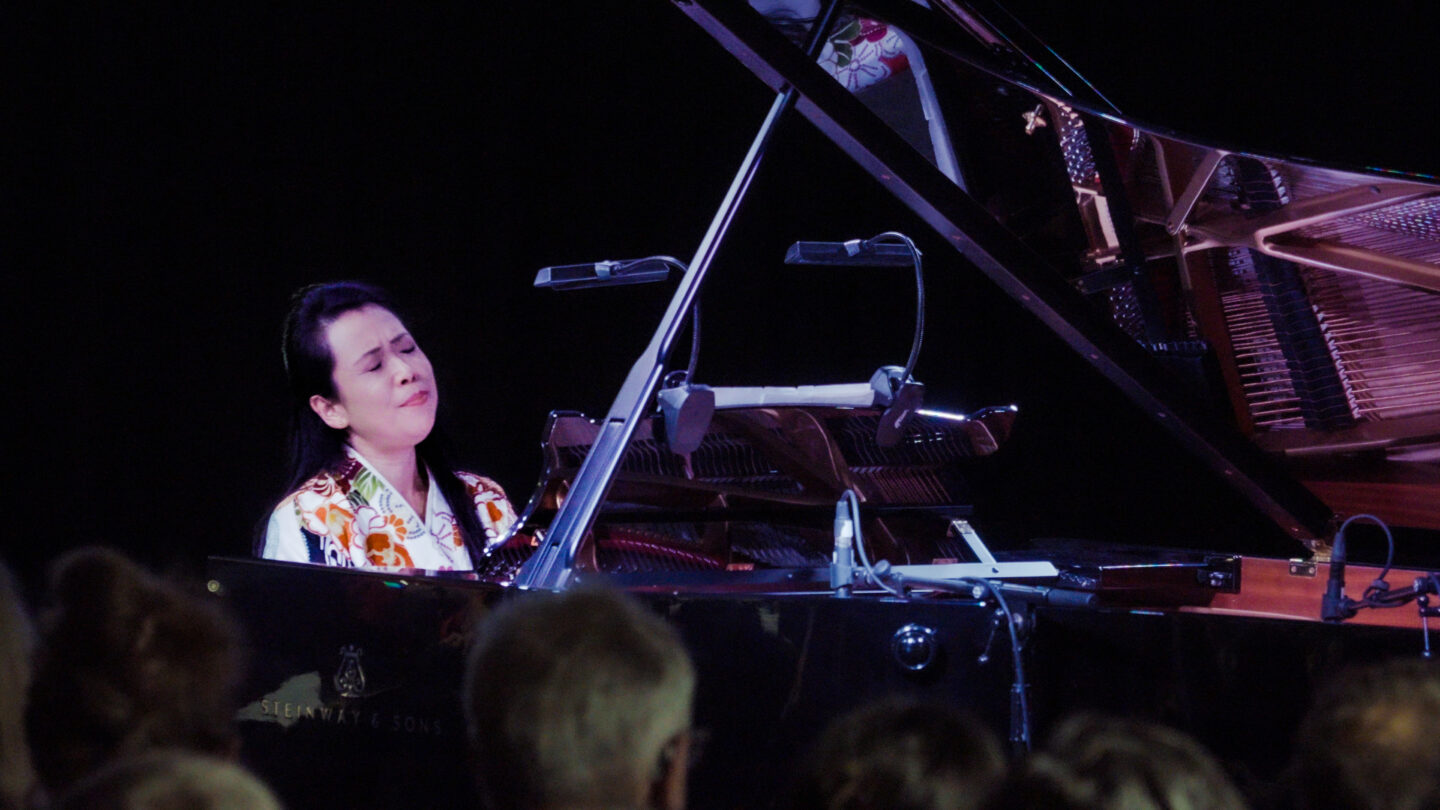
Photography by Just Jed
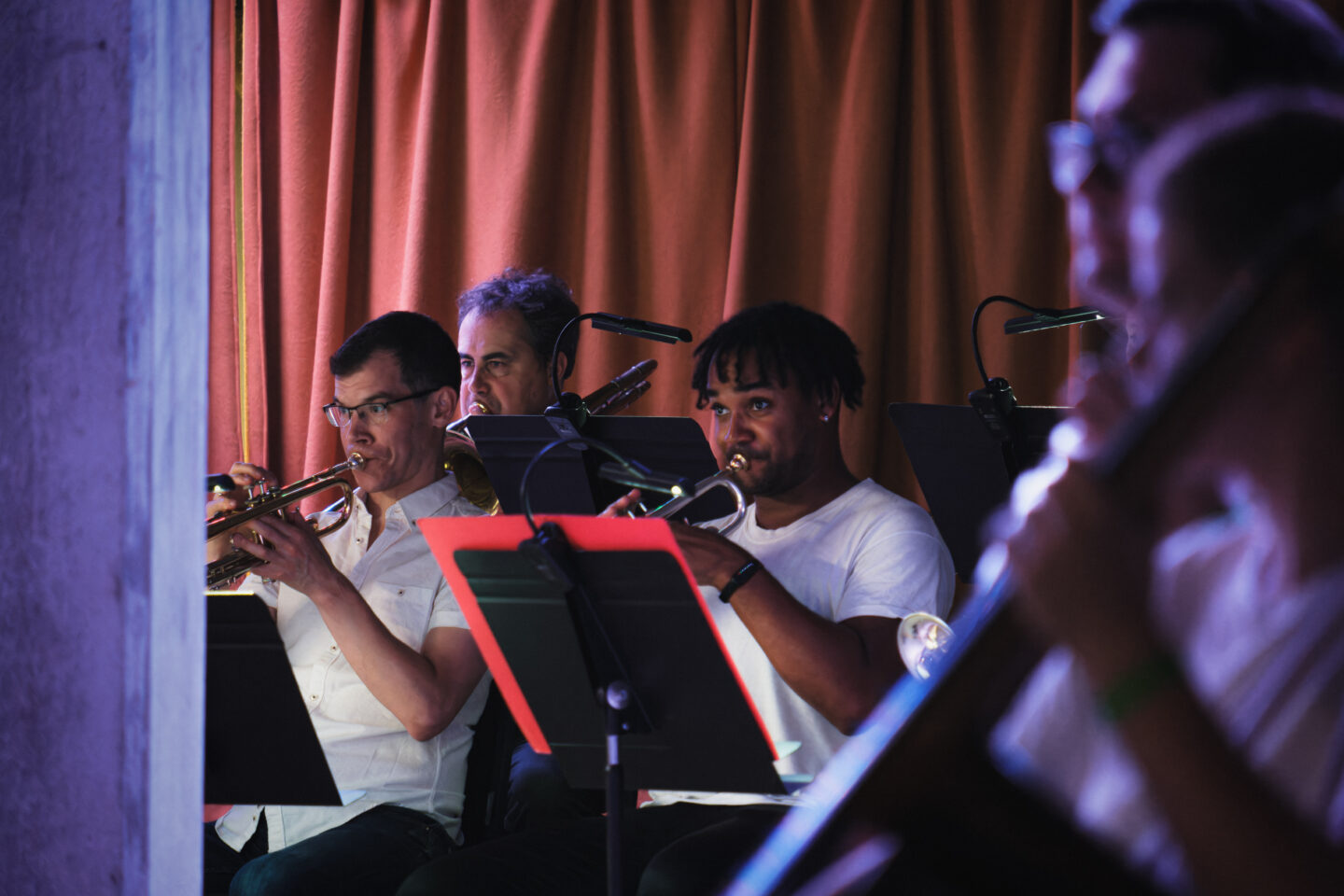
Photography by Dan John Lloyd
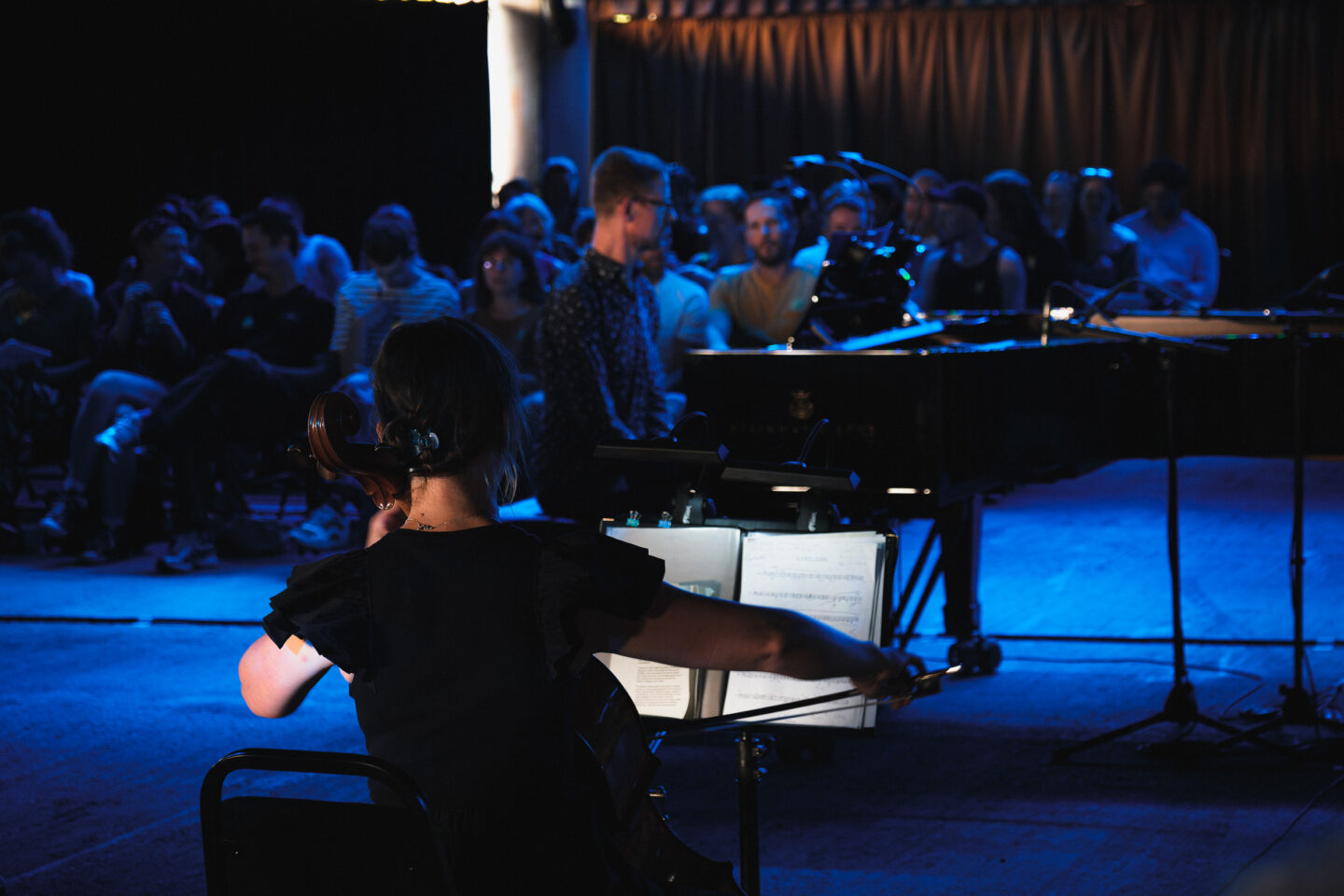
Photography by Dan John Lloyd
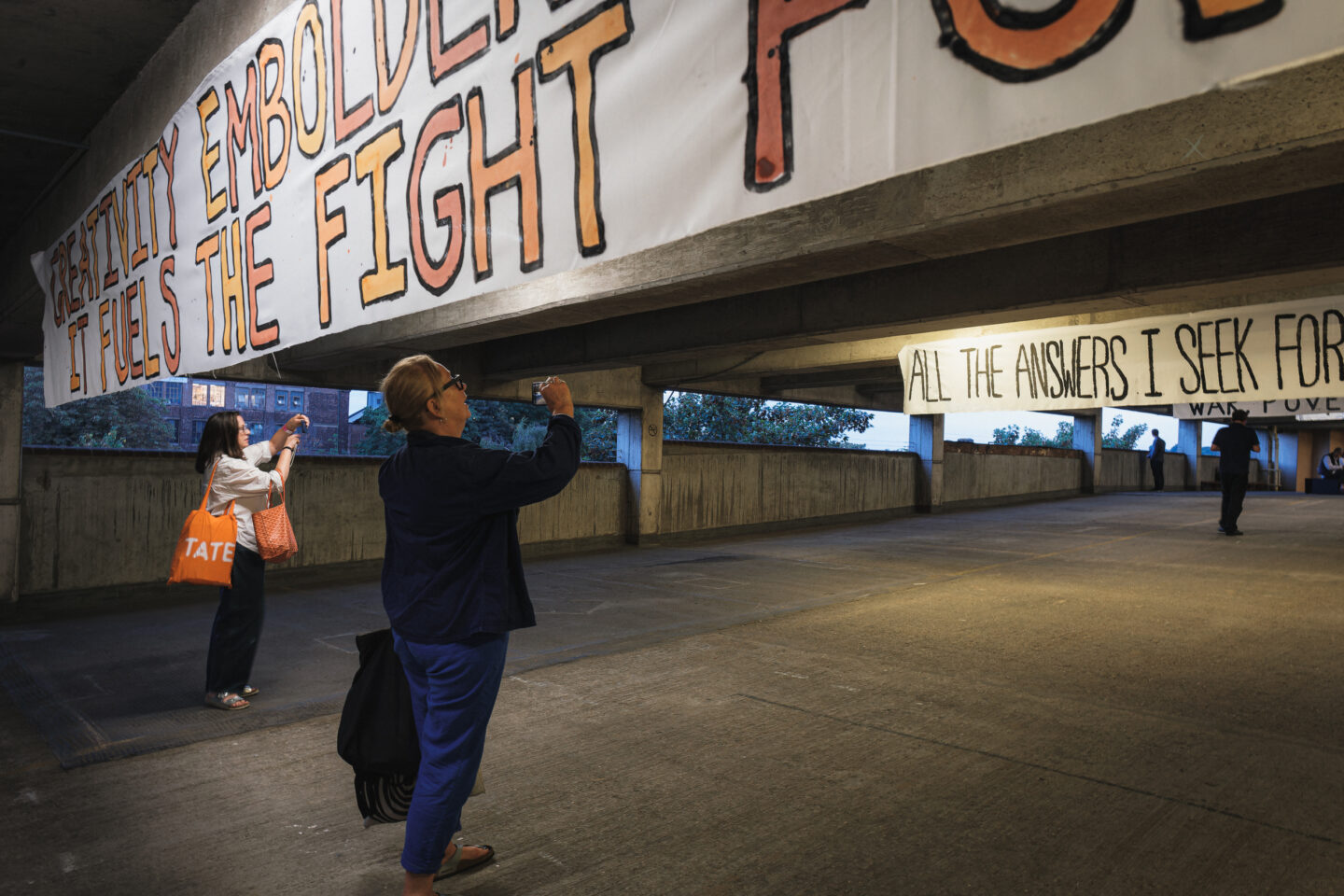
Photography by Dan John Lloyd
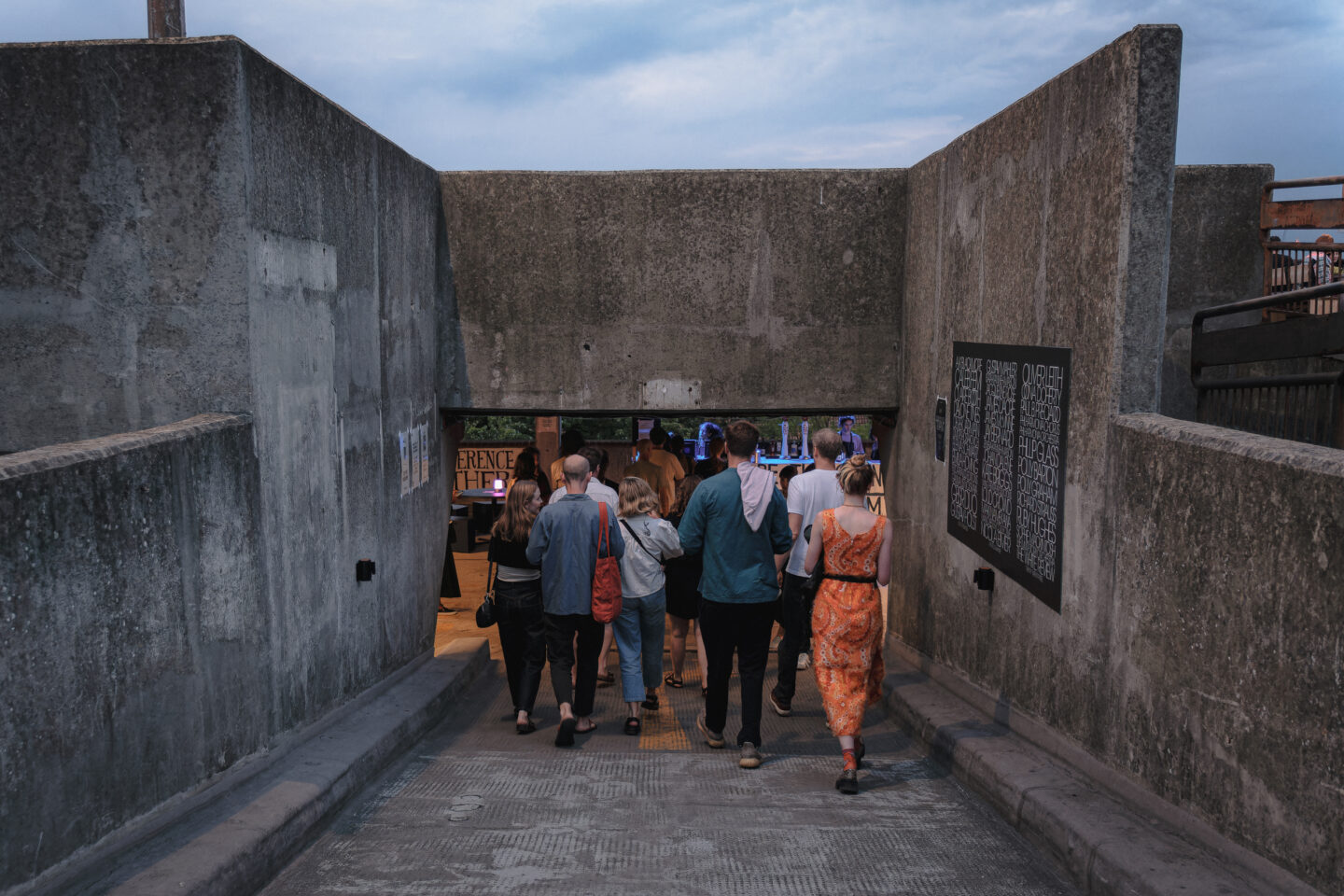
Photography by Dan John Lloyd
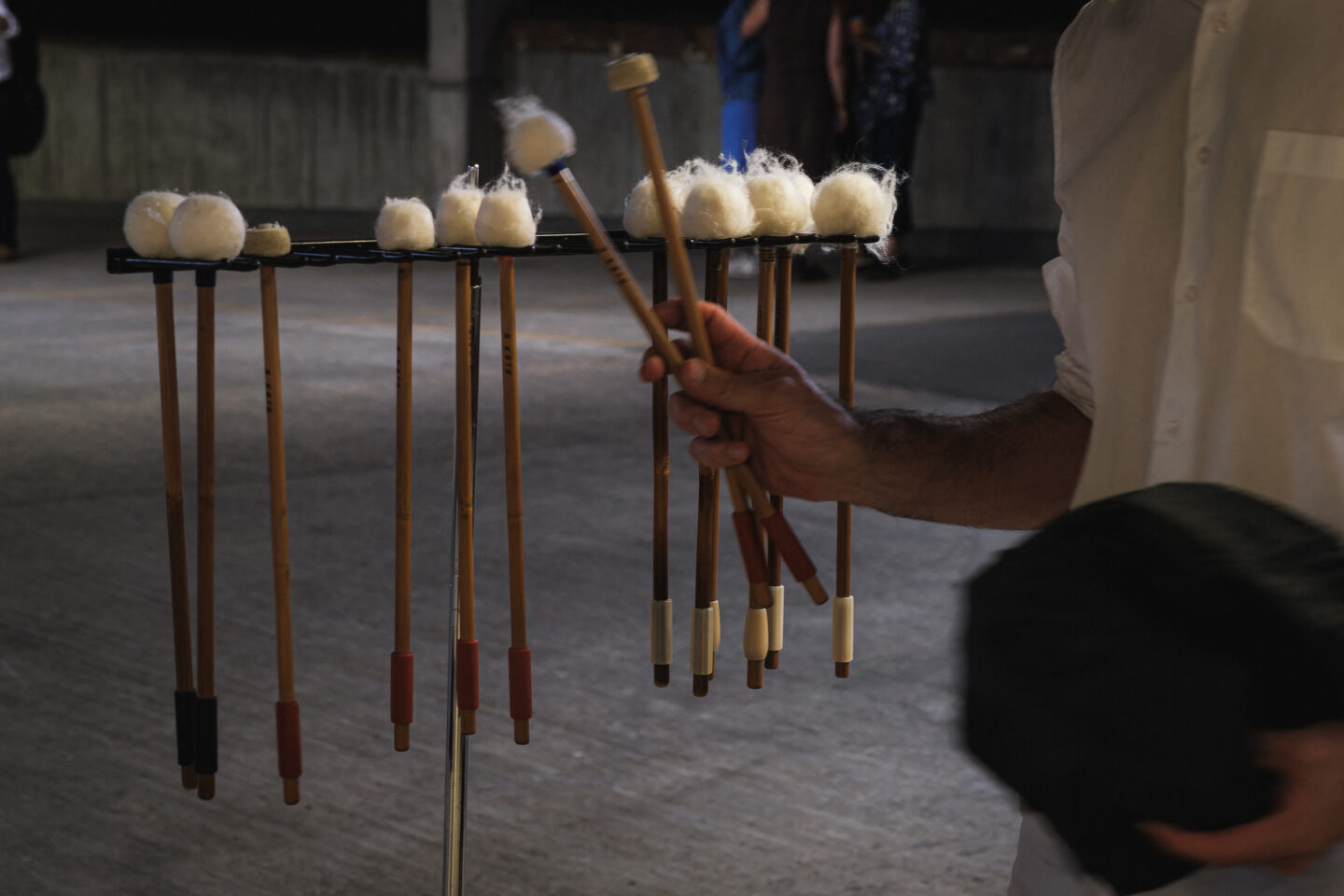
Photography by Dan John Lloyd
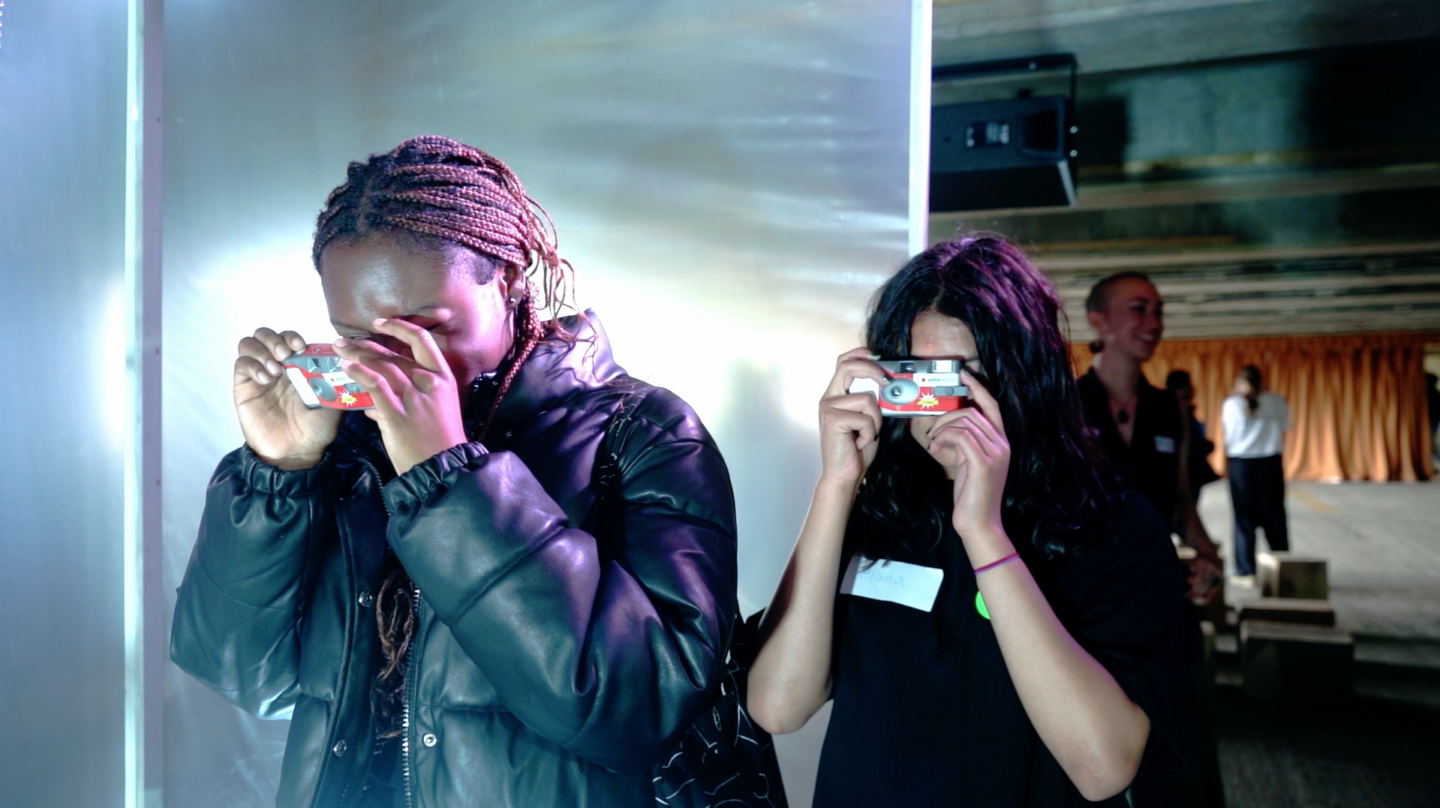
Photography by Just Jed
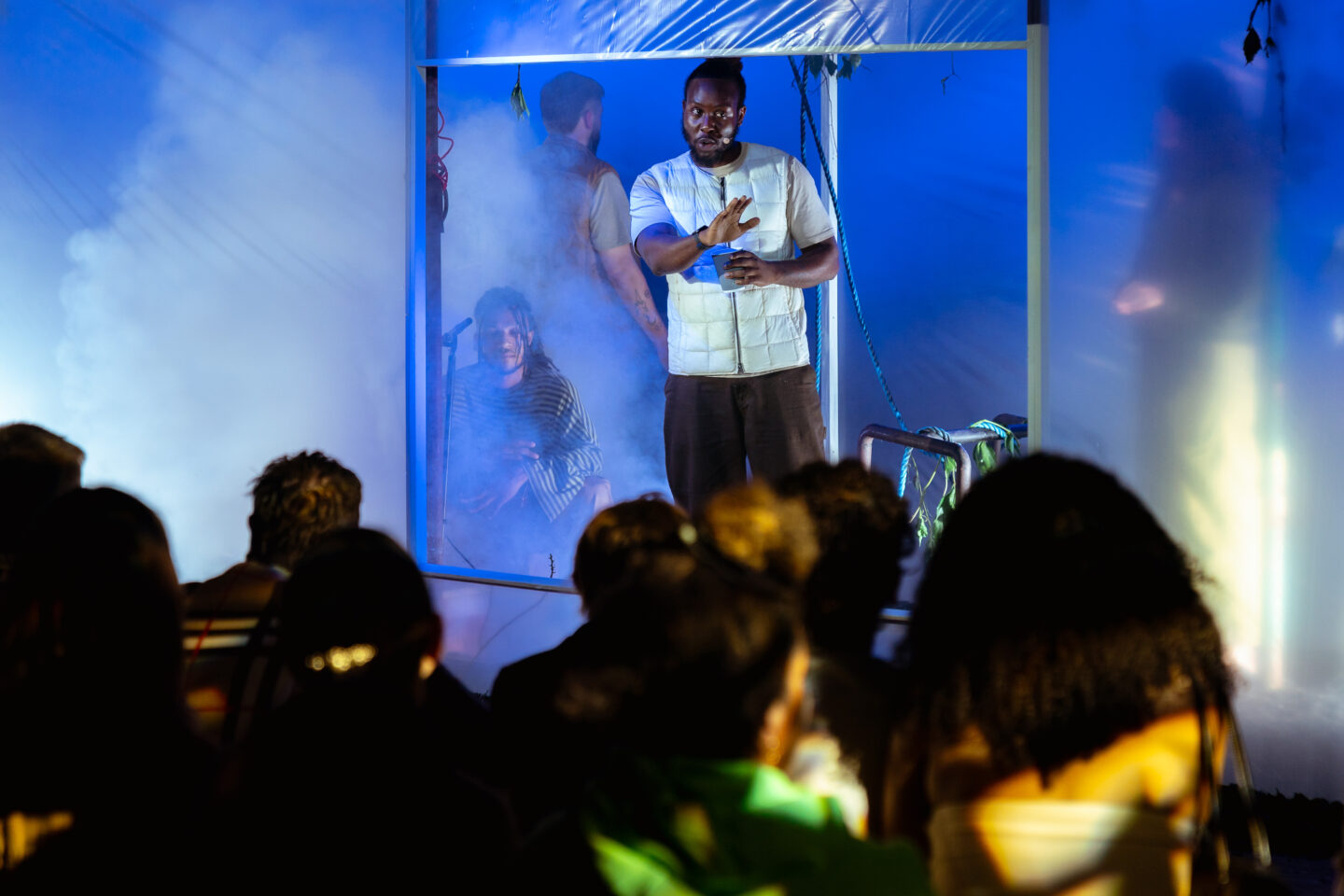
Photography by Veronika Casarova
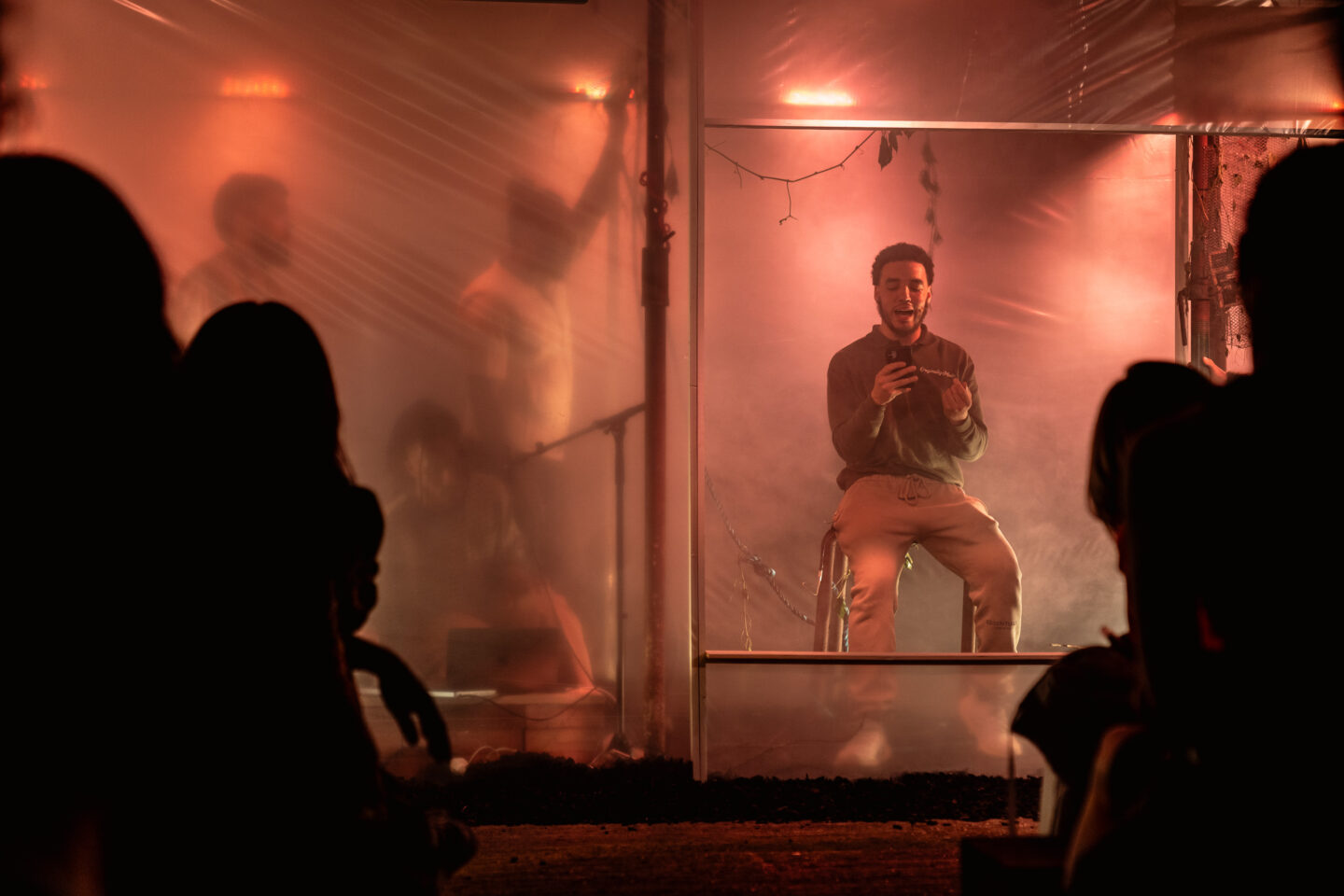
Photography by Veronika Casarova
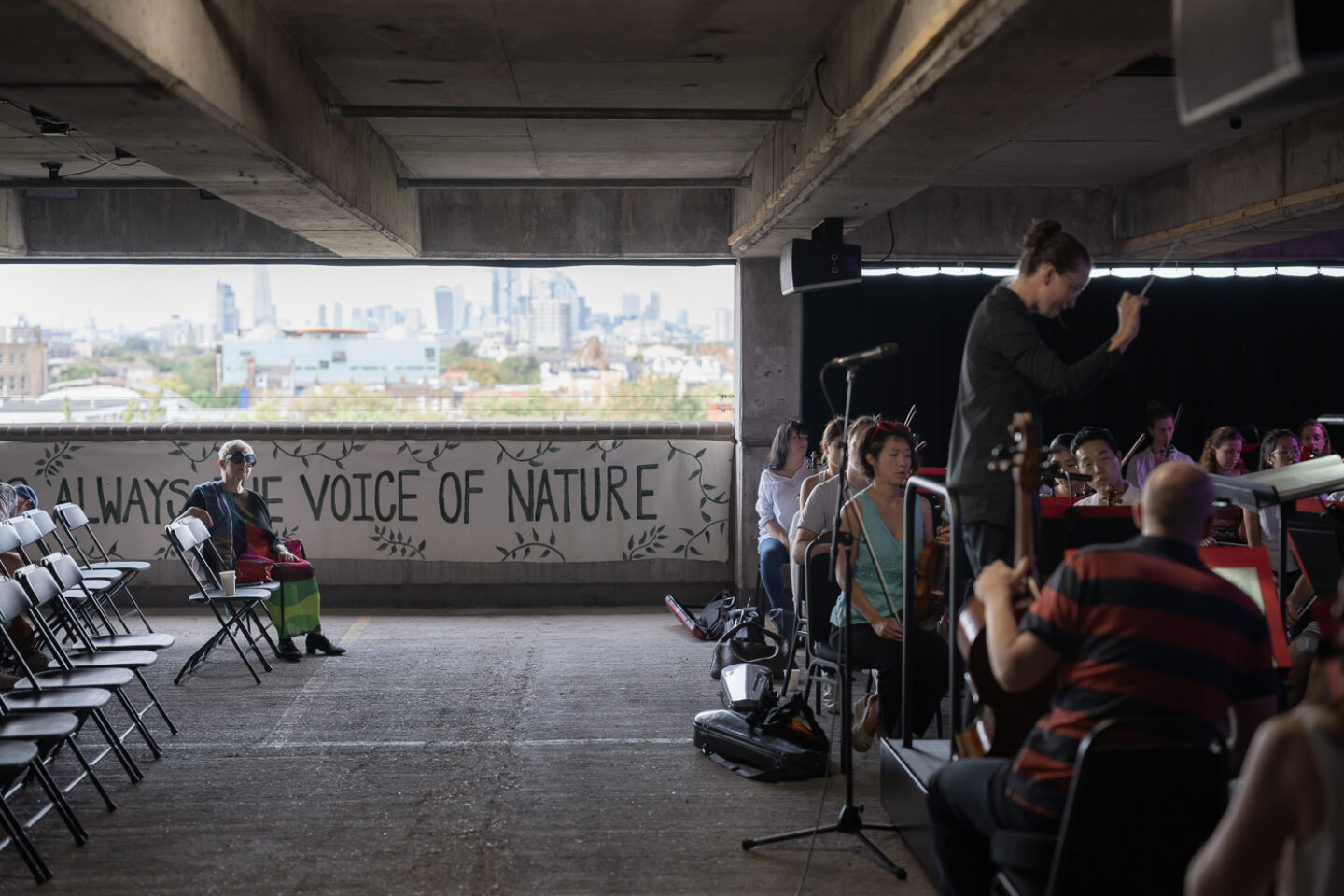
Photography by Damian Griffiths
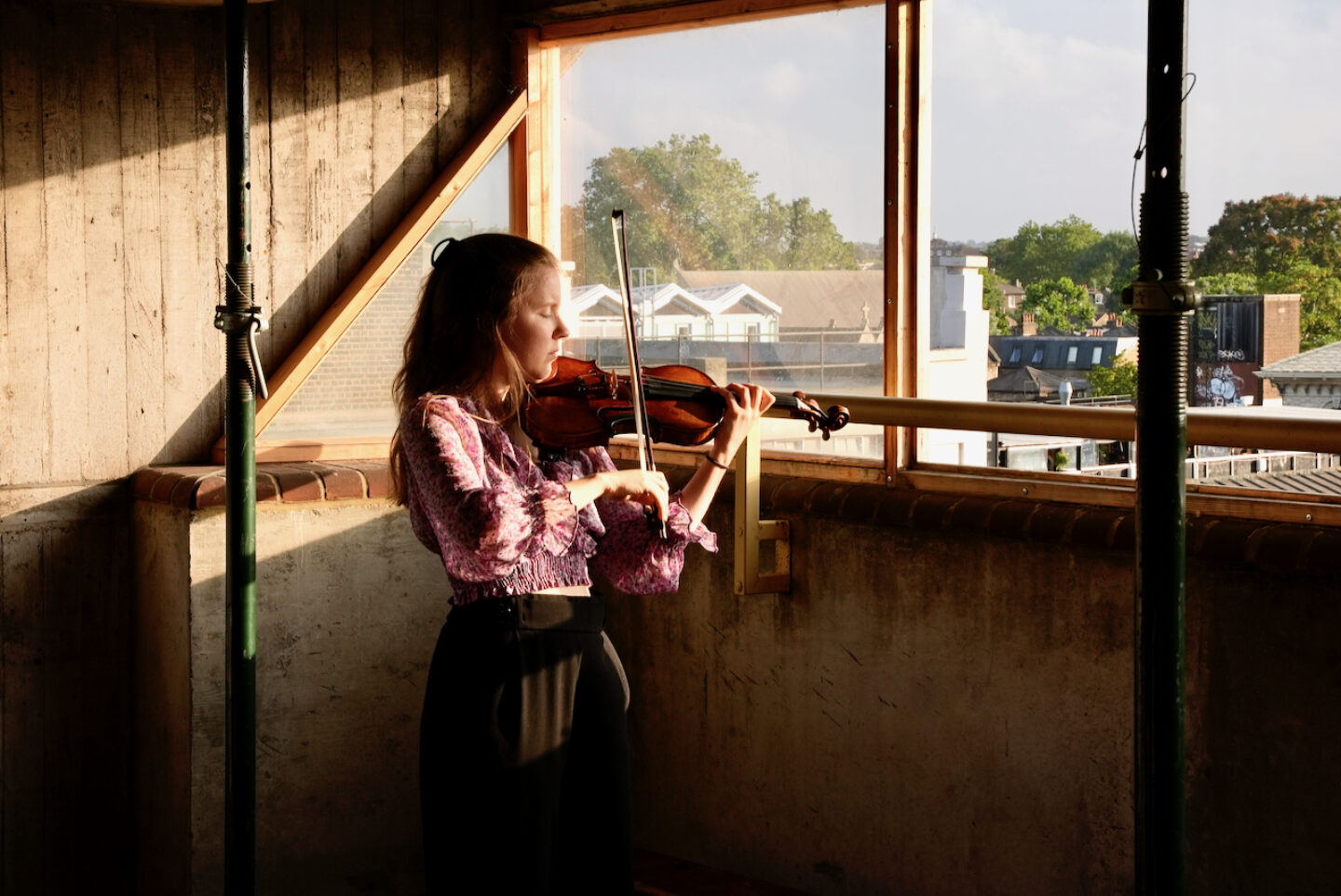
Photography by Louise Rechenbach
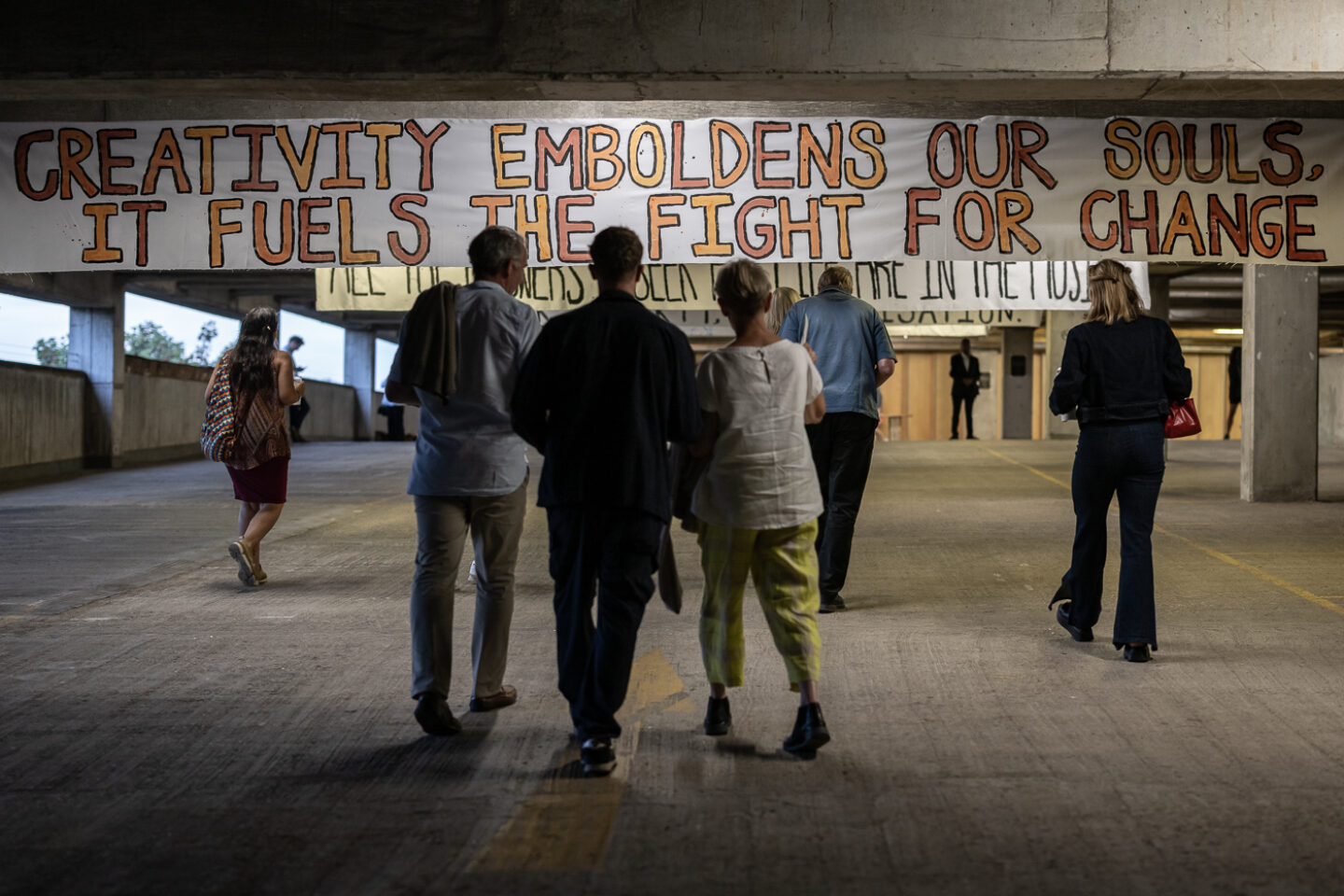
Photography by Dan John Lloyd
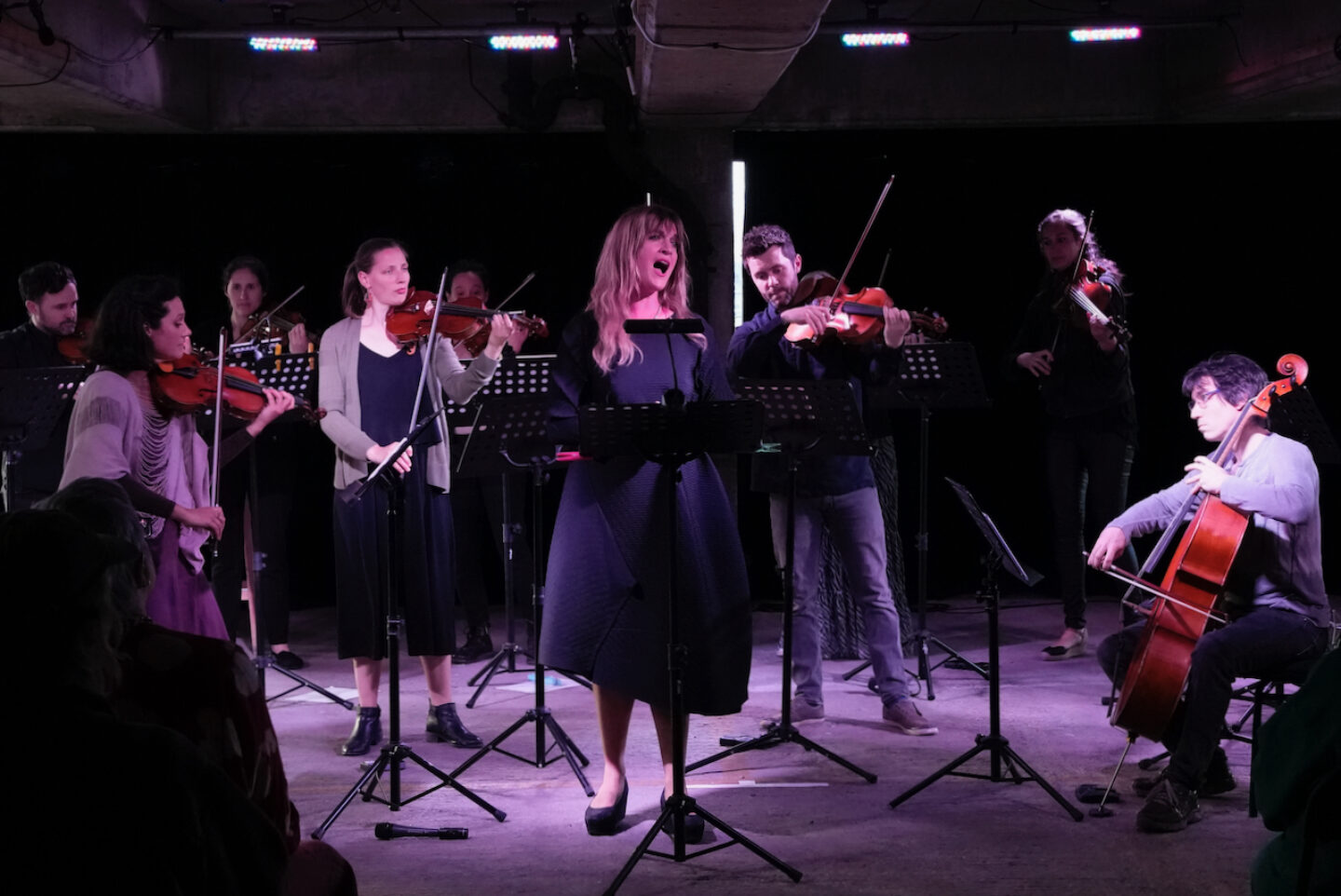
Photography by Louise Rechenbach
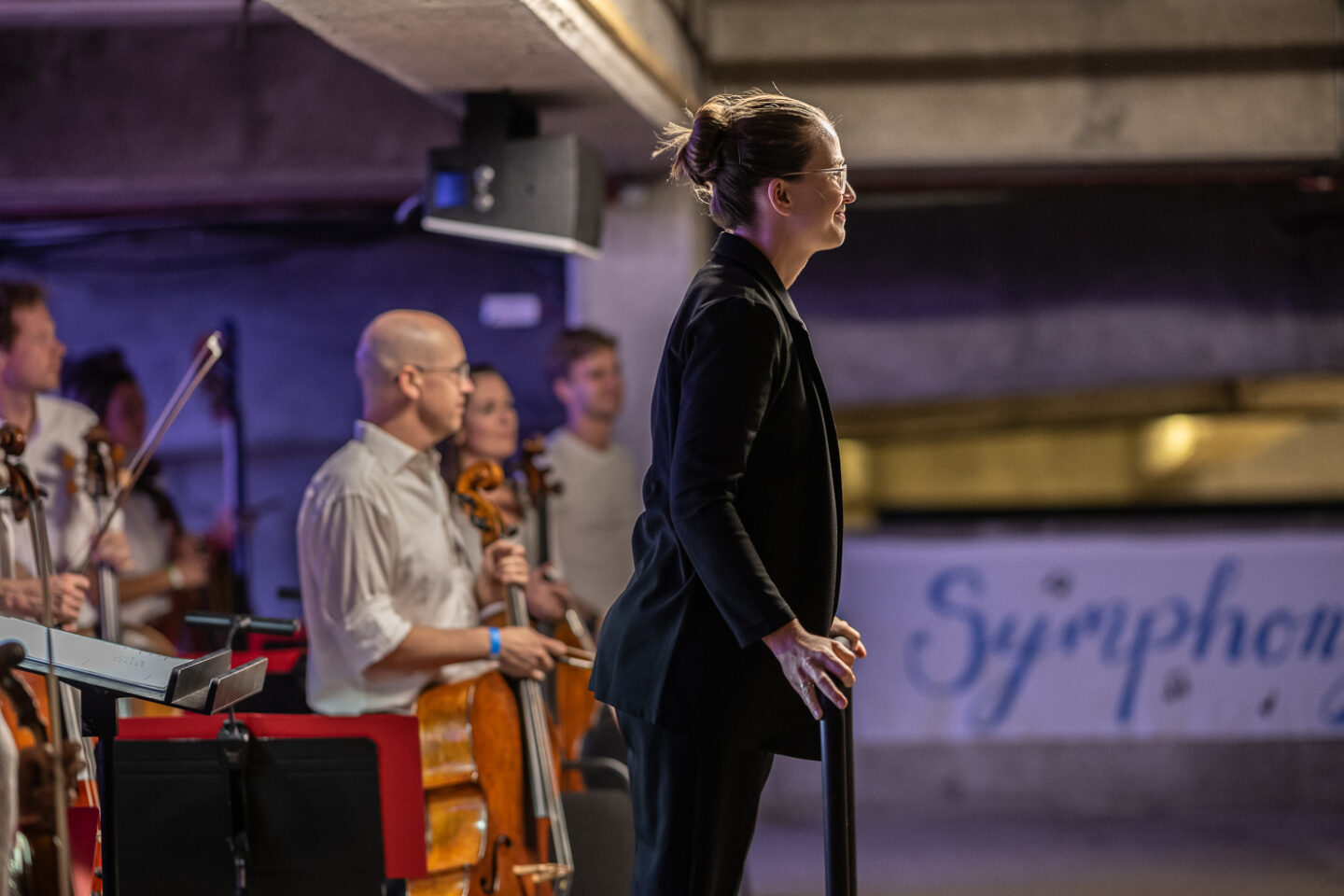
Photography by Damian Griffiths
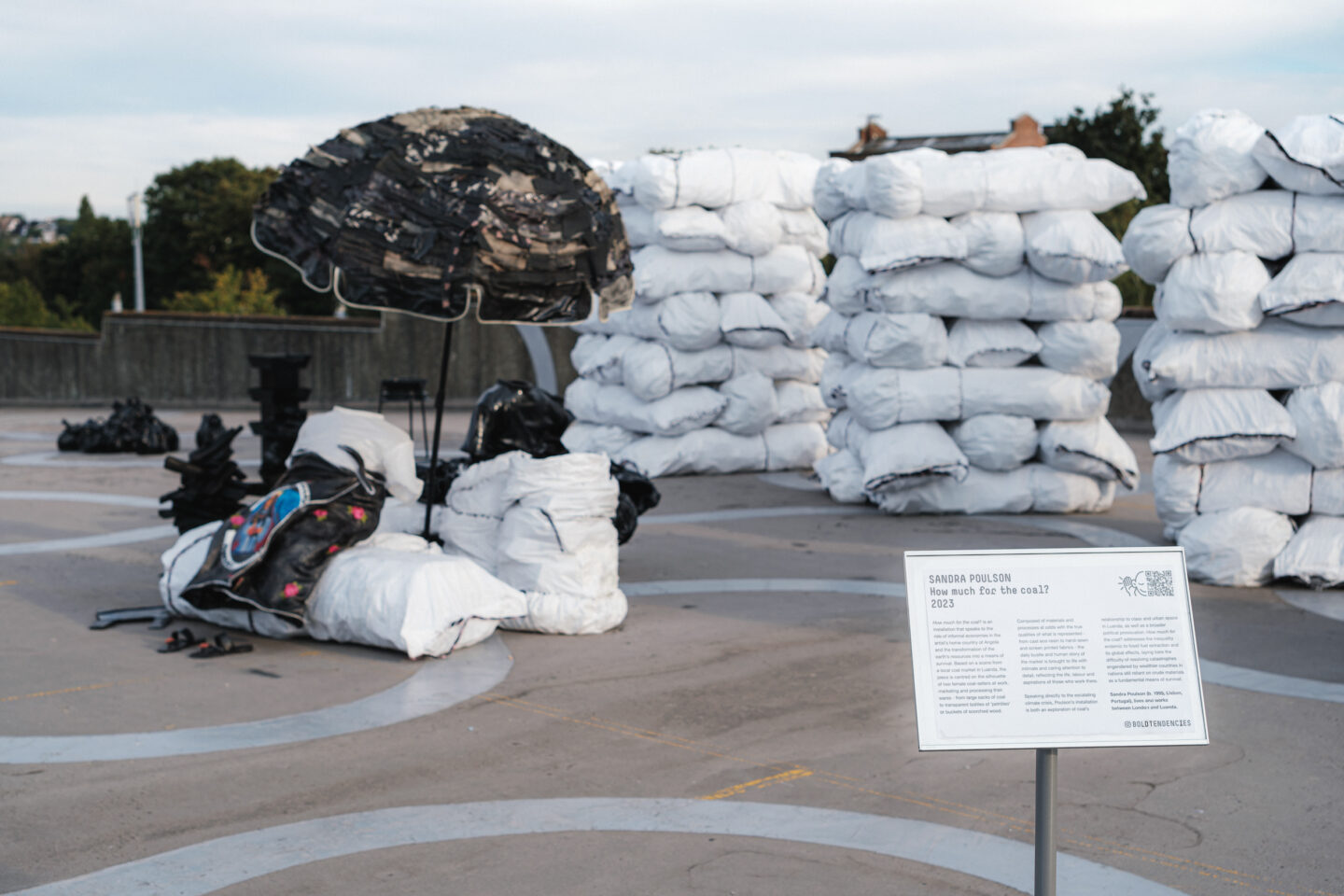
Photography by Dan John Lloyd
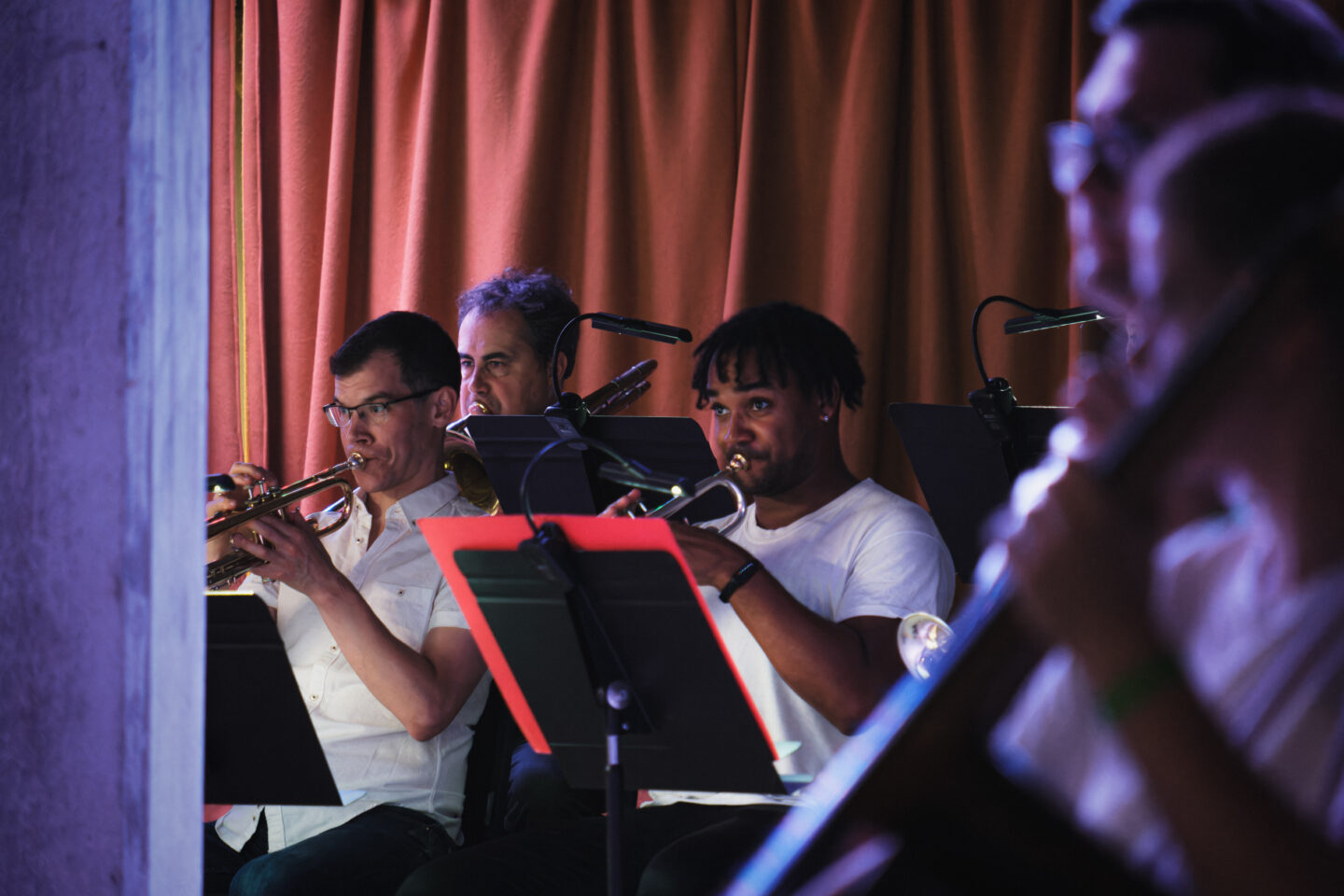
Photography by Dan John Lloyd
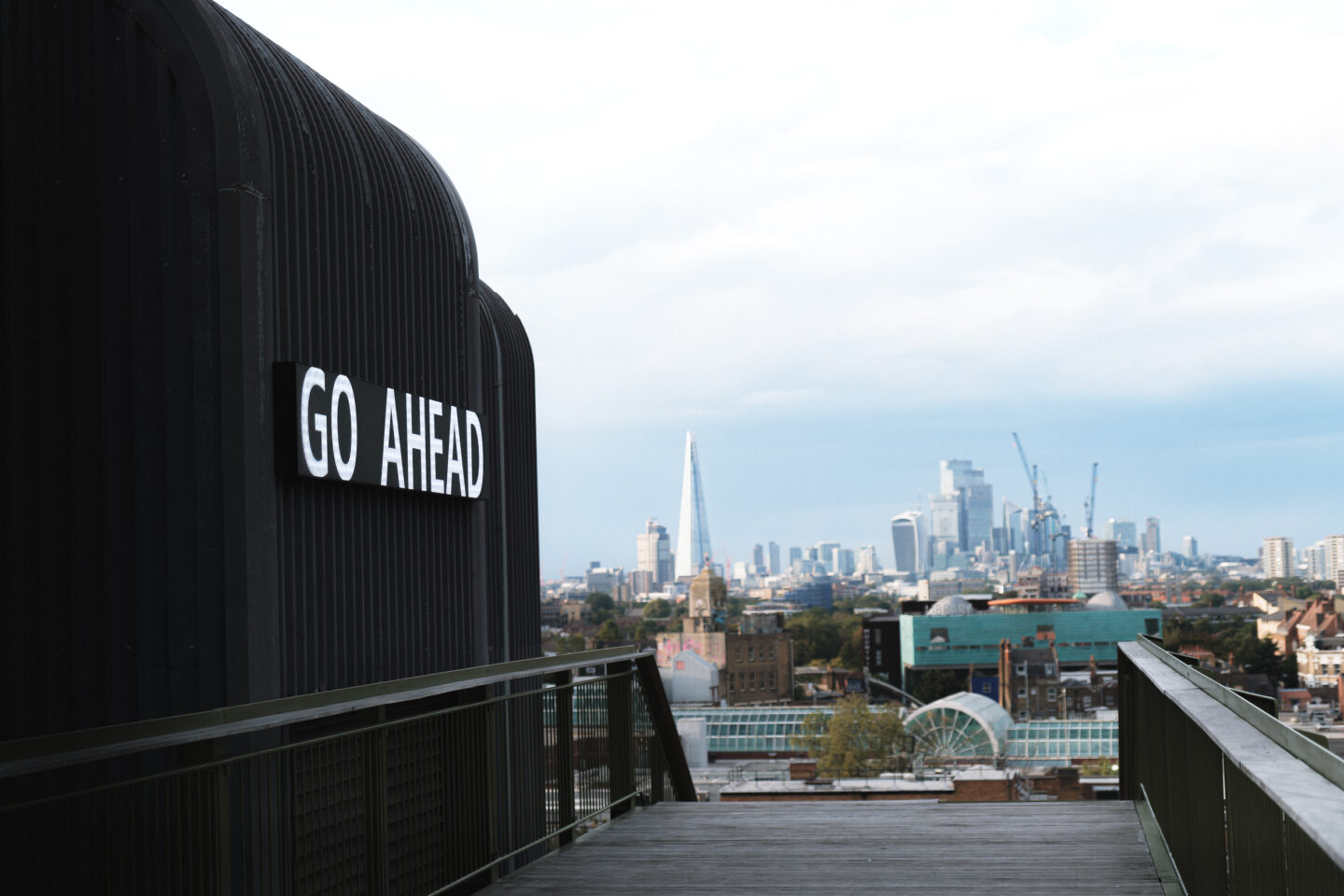
Photography by Dan John Lloyd