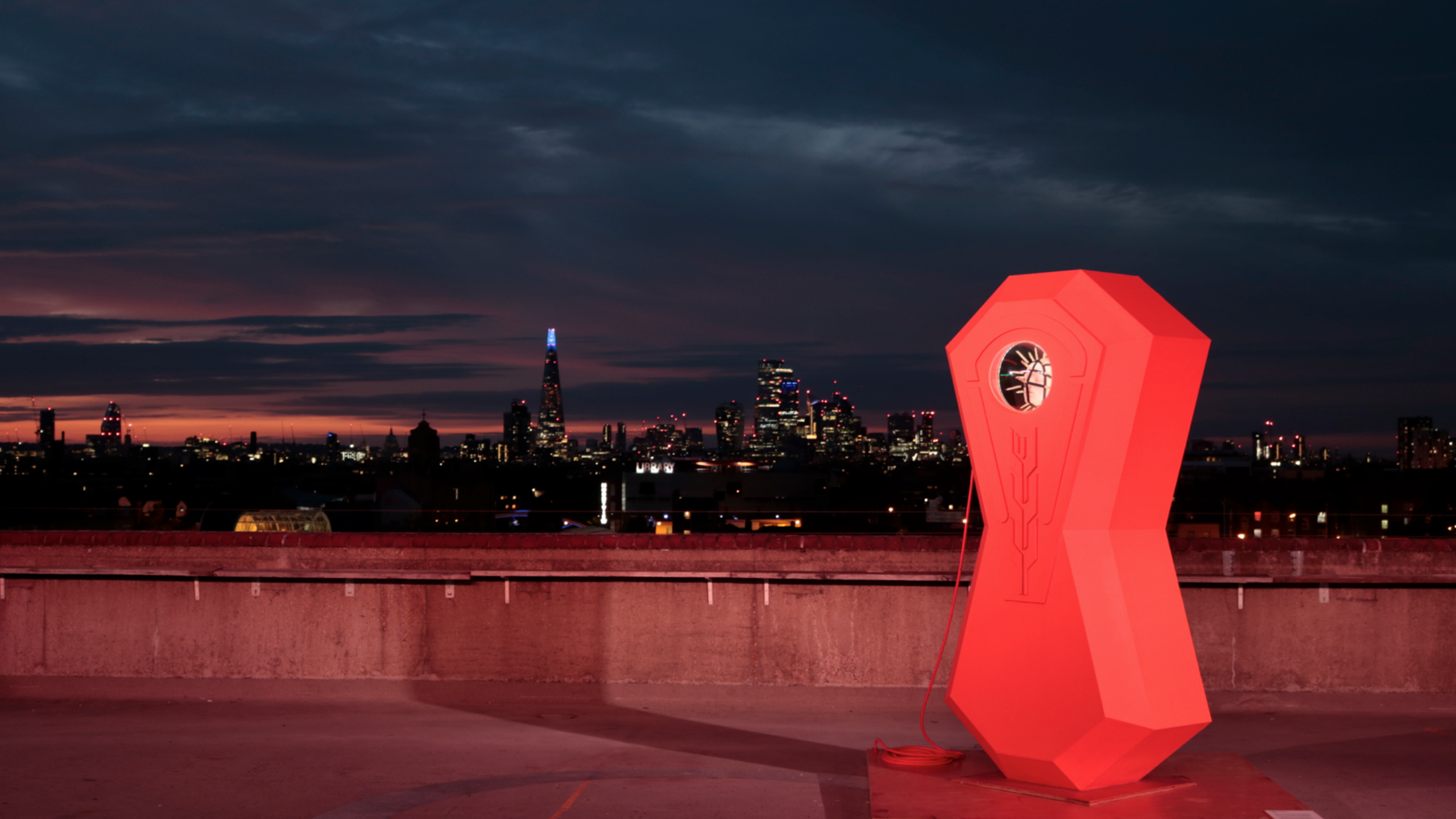
Tragedy
In the dark times
Will there also be singing?
Yes, there will also be singing.
About the dark times.
– Bertolt Brecht, Svendborg Poems, 1939
Every day we are surrounded by tragedy. We use the term to confer dignity to disaster: overdose, typhoon or car crash. It can serve equally to ennoble suffering with prestige and valour as to exalt the broken umbrella or playground quarrel. With reverence or platitude, it can be found everywhere. Tragedy murmurs in fractured ice caps, plunging deep into the Arctic Sea. It shudders in the lost and wayward dreams of failed Olympians, the murder of an innocent child or mass loss of civilian life. It revels in the hubris of a televised Hollywood downfall.
‘The Death of Tragedy’ was said to be declared in the Age of Enlightenment. Tragedy as occupied by the Greeks, Romans and Shakespeare – that of Dionysus, Seneca and Macbeth – was over. Divinity gave way to pragmatism and Romantic jouissance, Romantic agony. A spectacle once under permanent observation of a deity now mingling kings with clowns. For many, the death of tragedy was the corollary of the death of God. Yet tragedy never died (and neither did God): it remains ubiquitous in our language and interpretation of being and feeling.
In ancient theatres of Athens, Tragedy rolled out the fate of nobility and royalty. It was a means to explore pain and punishment, revenge, mourning and memory. Tragedy was ‘poetic justice’. It unfurled complex questions of morality through the arousal of fear, catharsis and eternal conflict: tragedy is inevitable, yet it should never have happened…
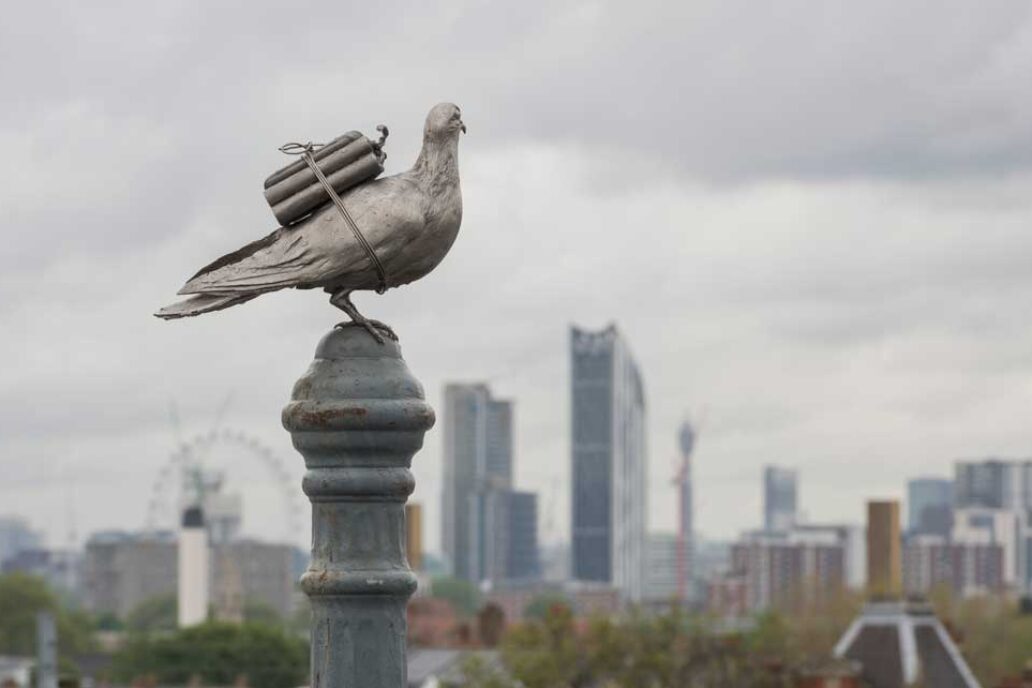
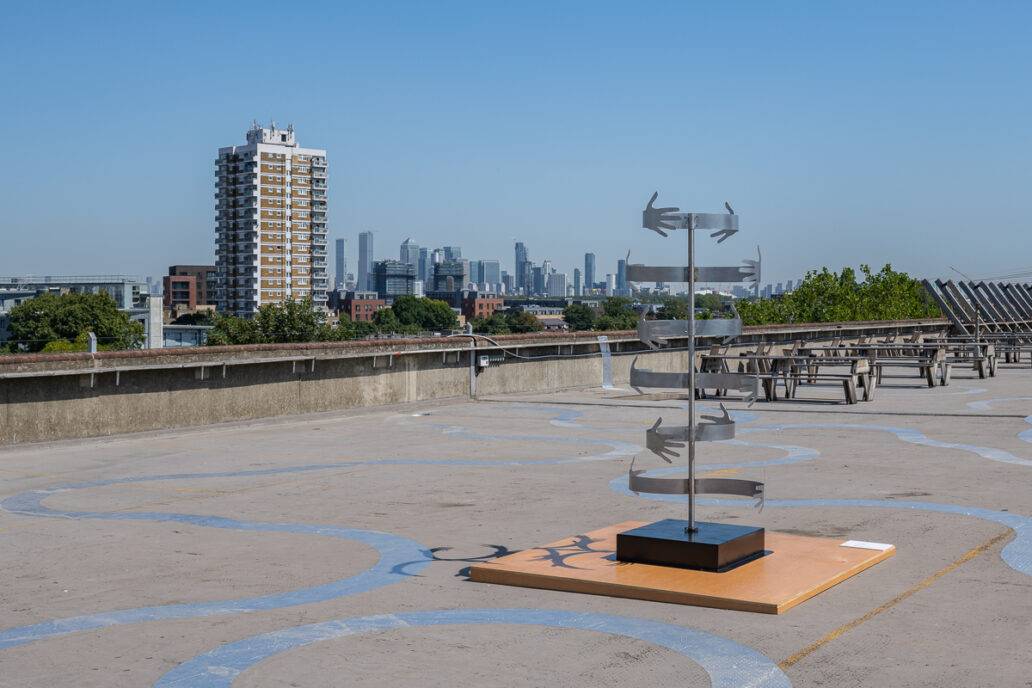
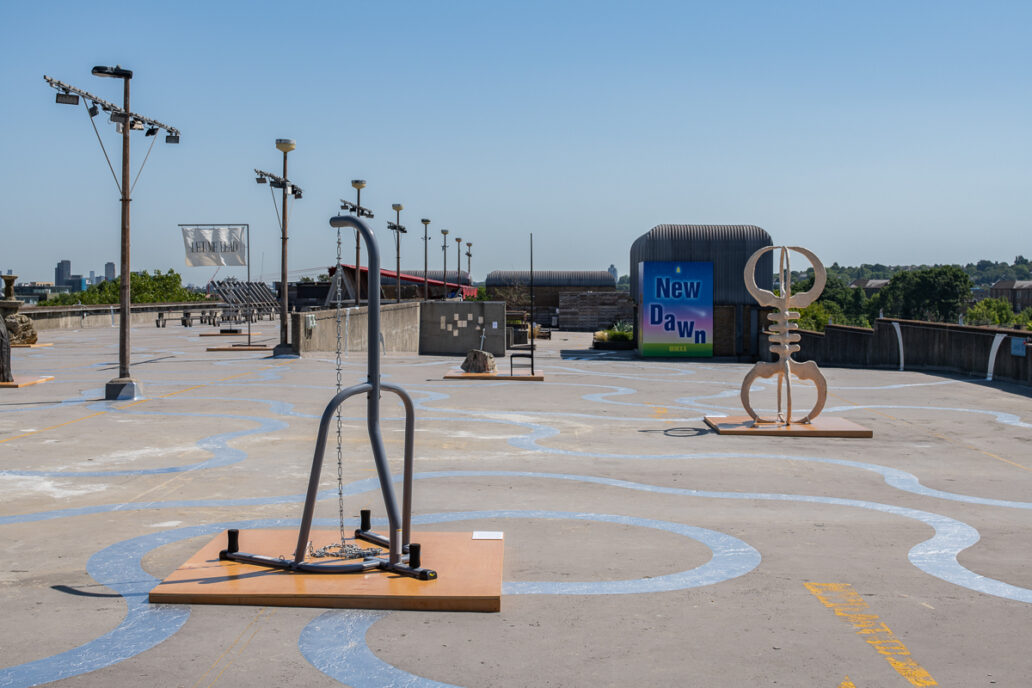
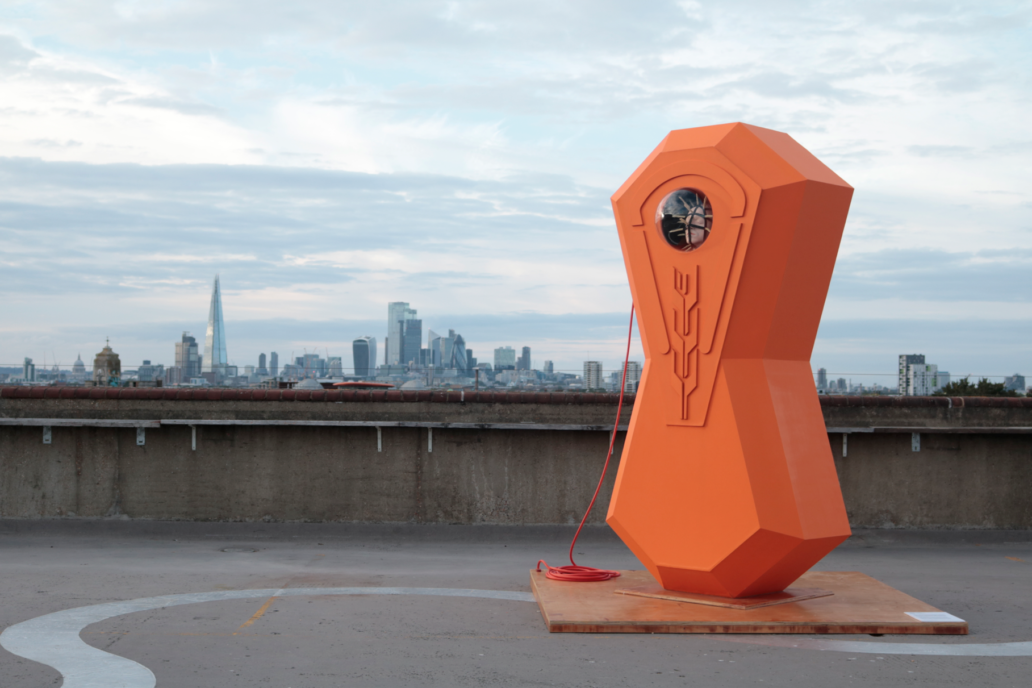
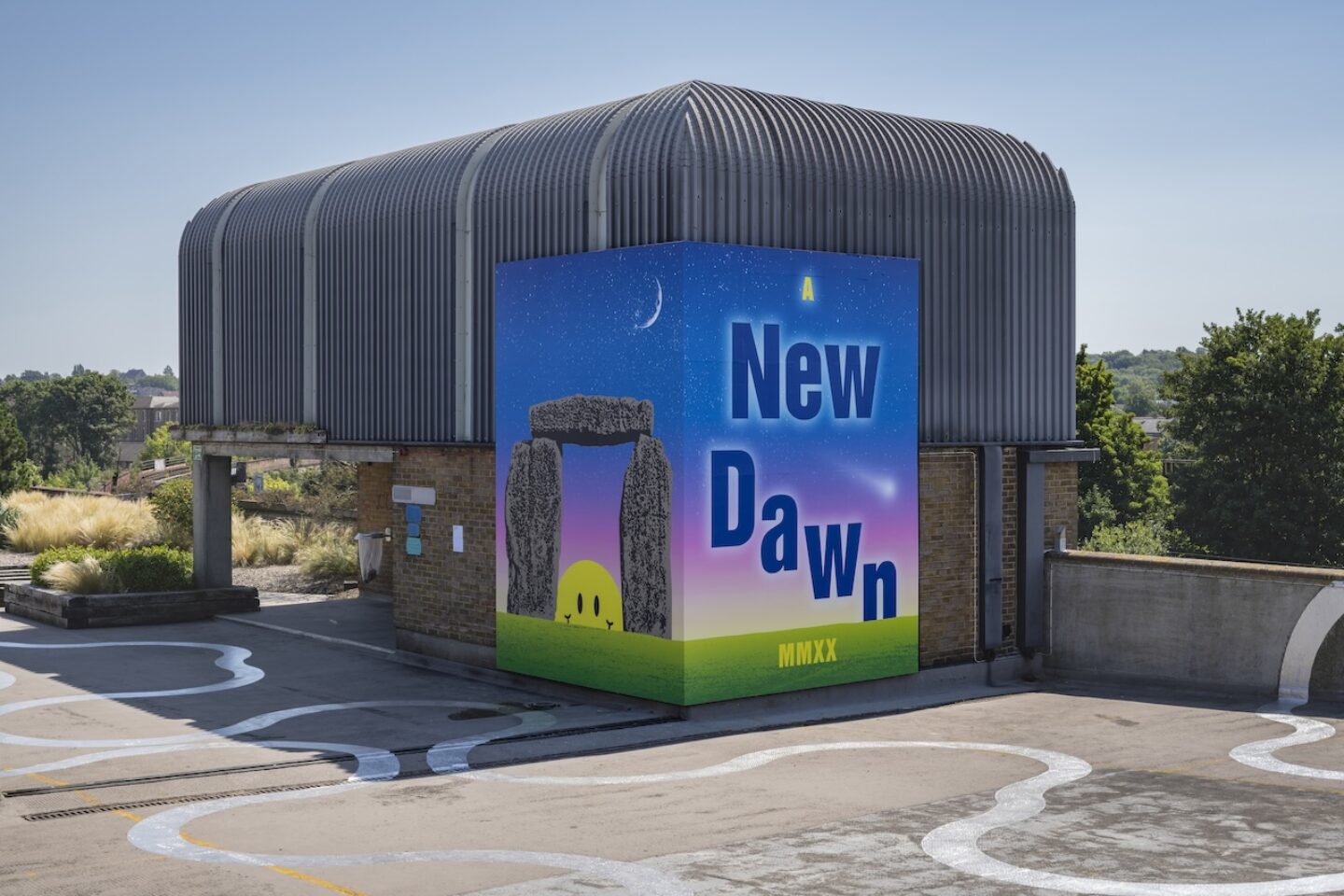
Today, tragedy has lost its thespian grandeur and is found hiding in the beaureacry of failed revolutions, in the soot and ash of unchecked forest fires, in terrorist razed temples and in the second-hand nostalgia and foreclosed optimism of the eponymous Brit Pop classic “Tragedy, when the feeling’s gone and you can’t go on…” Surrounded by tragedies in waiting – ecological collapse, information warfare, climate crisis, political and social upheaval, global dissolution and new surrogate technologies – Bold Tendencies gathers its 2020 programme under this broad and urgent theme, asking what tragedy looks and feels like in the 21st century.
Bold Tendencies
14 May – 19 September 2020
Floors 7–10
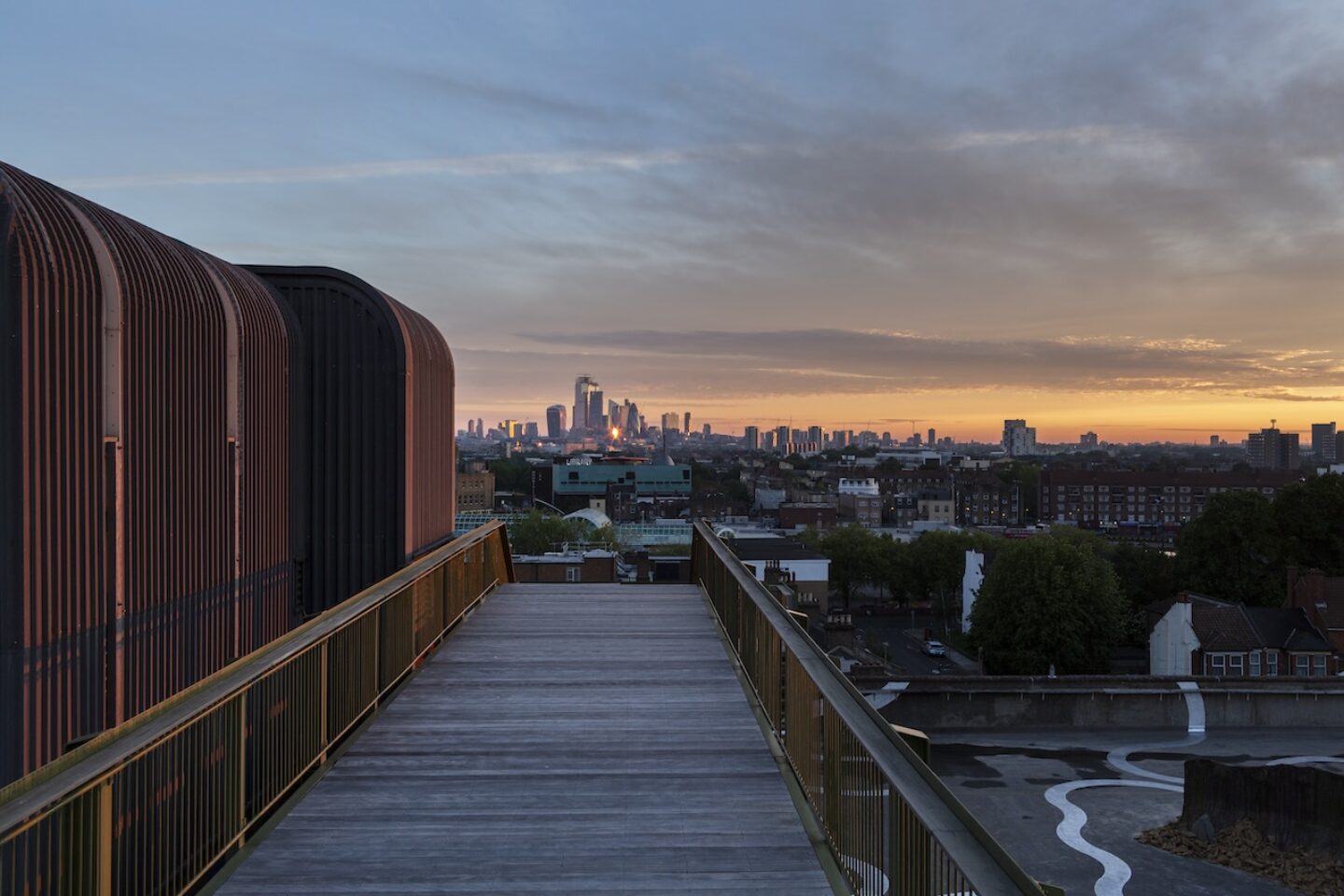
Peckham Multi-Storey Car Park
London, SE15 4ST
Opening hours
Wednesday-Sunday: 11am-11pm
Visual Arts
Live Events
Supporters
Southwark Council
Selfridges
Paul Hamlyn Foundation
Bloomberg Philanthropies
Big Issue Invest Access
Art Fund
Phillips
Lisson Gallery
DICE
In Partnership with
Vanguardia
d&b audiotechnik
Steinway & Sons
CMS-CMNO
Hallett Independent Art Insurance
& all those individuals who have generously donated.
Highlights..
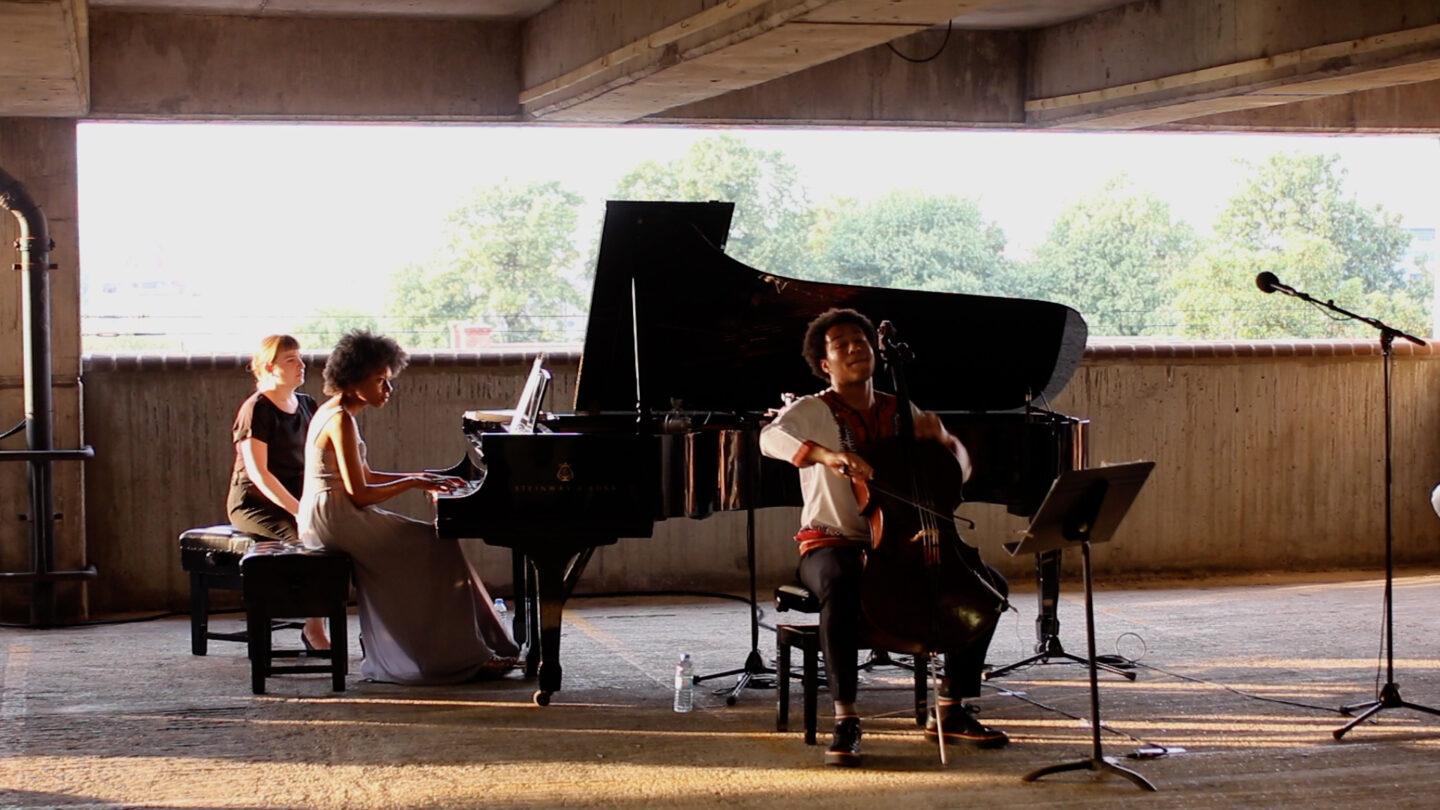
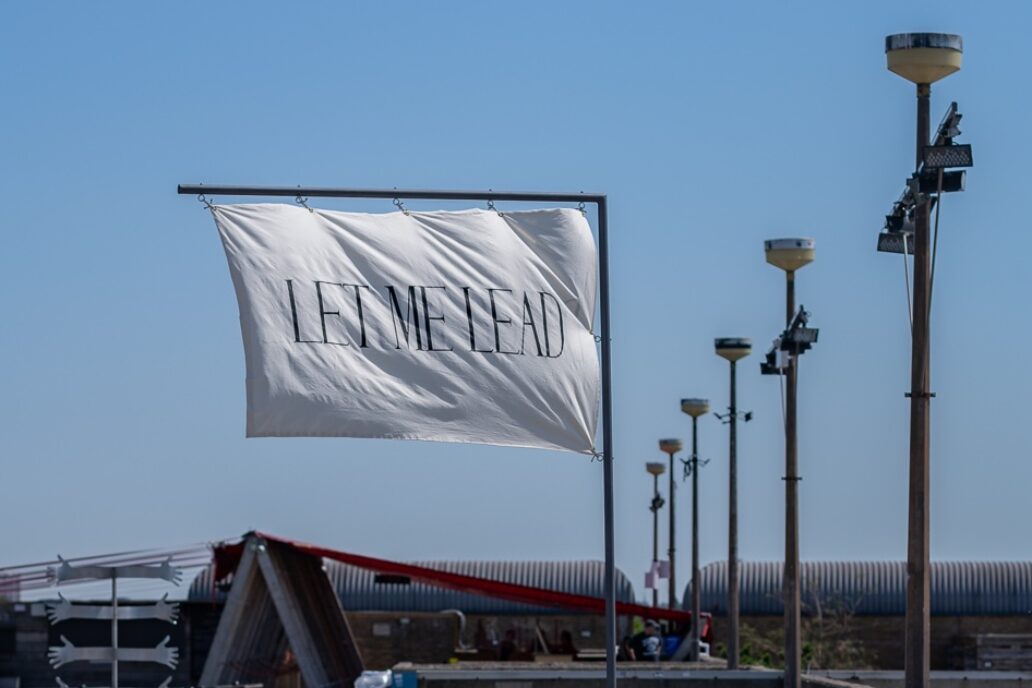
Photography by Cottia Thorowgood
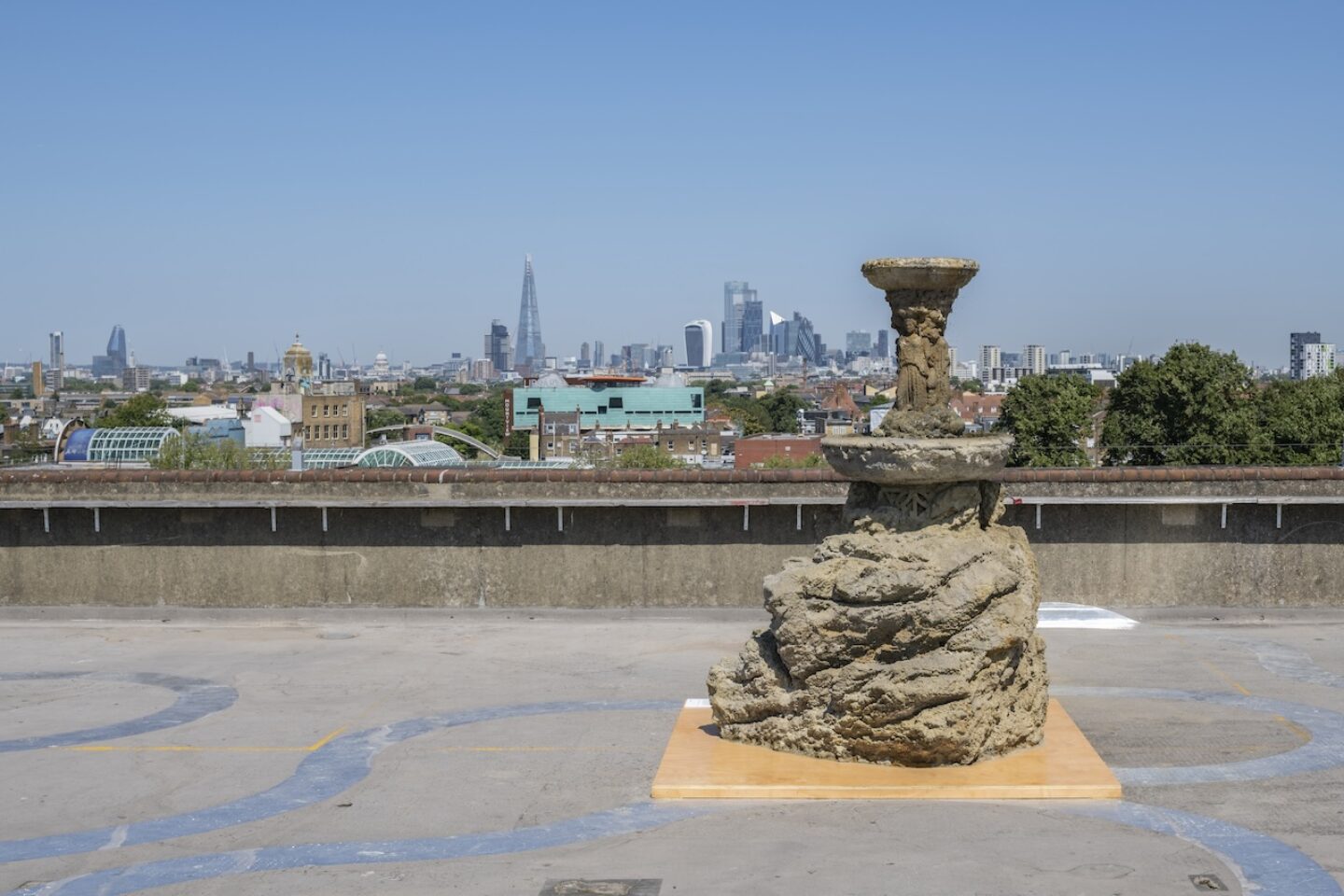
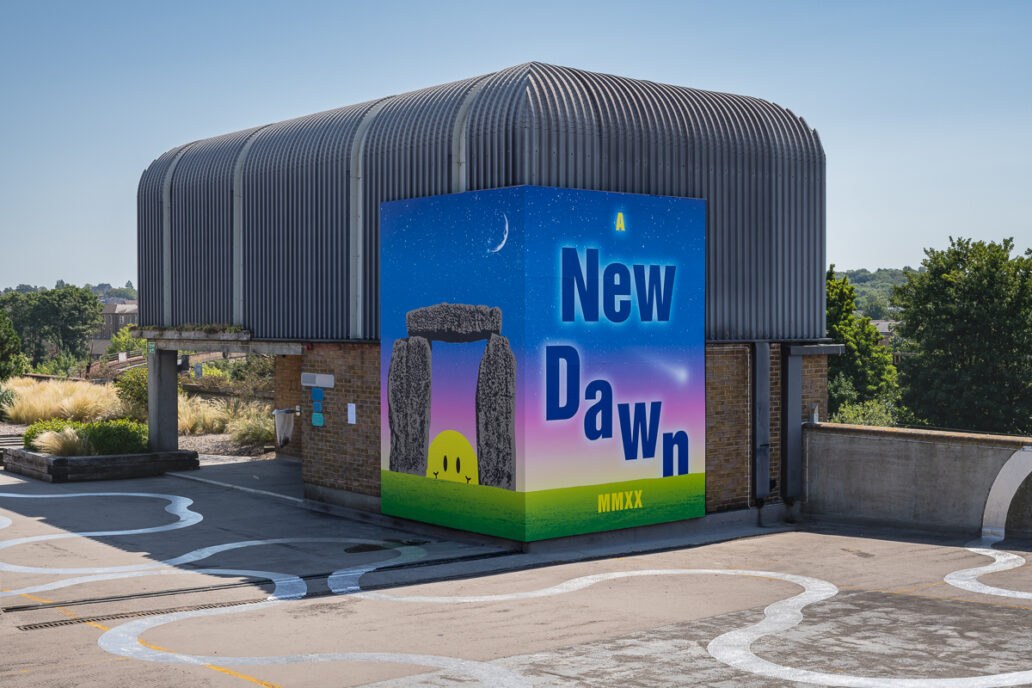
Photography by Damian Griffiths
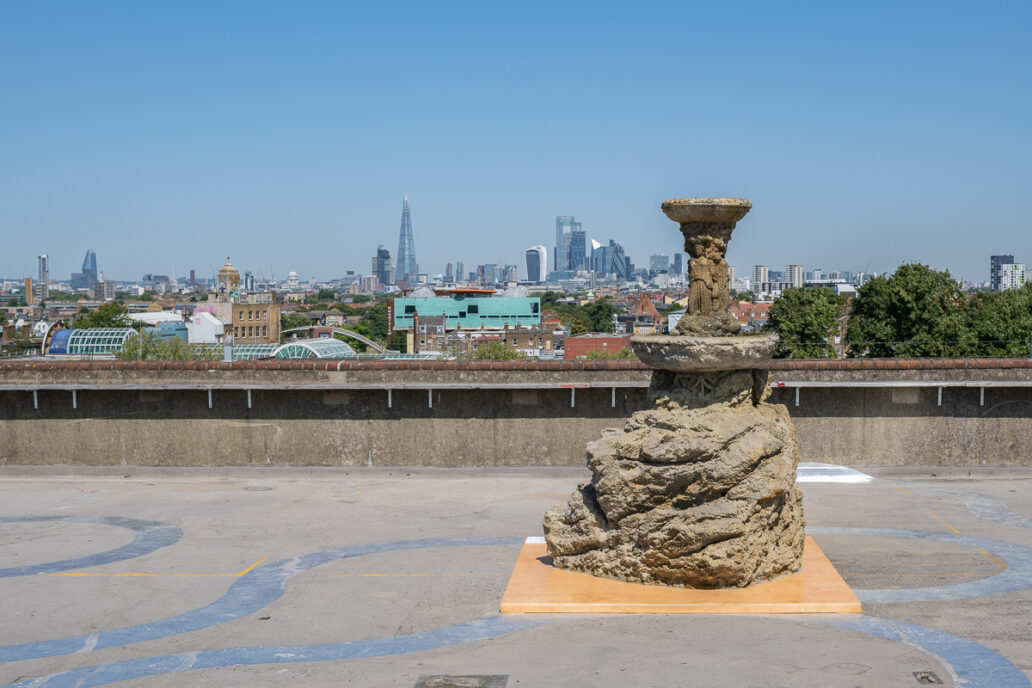
Photography by Damian Griffiths
Photography by Oskar Proctor